Cut-off 03.09.2026. CPV = CPM ÷ 1,000. These are rates with admission terms and limits; the fund is not equal to expenses, and CPV does not show the full cost of the campaign. Views are a total counter, not unique reach. Approvals are counted separately. Views are not equal to unique reach or sales. Conclusions about marketing mechanics — editorial analysis; the presence of a campaign around a brand does not necessarily mean its direct placement.
Producing a video and introducing it to a new audience are two independent tasks. In the campaign around Fanatics, participants were offered to publish already prepared branded content. The starting point was a bank of ready-made materials, with which one could start working without their own filming. The open card describes exactly the distribution: it cannot be concluded from it what scenes were in the videos or whether the authors needed to additionally edit long source materials.
For a marketer, the transition from production to further use of content is interesting here. The ready-made material maintains the general subject of conversation, and the campaign is dedicated to its new publications. Video clipping can precede such a stage if the brand first decides to turn a long video into cuts; in the case of Fanatics, this production step is not disclosed. The published metrics reflect the available statistical slice. The practical lesson lies in the organization itself: already created videos can have a separate distribution plan and introduction to a new audience.
Do you already have ready-made videos that are worth showing to new viewers? Launch a campaign on VibeVO, starting with an approved bank of materials and a clear task for their distribution.
Cut-off 03.09.2026. CPV = CPM ÷ 1,000. These are rates with admission terms and limits; the fund is not equal to expenses, and CPV does not show the full campaign cost. Views are a total counter, not unique reach. Approvals are counted separately. CPM and CPV are given in euros according to the campaign title, the fund in dollars. The rewards table shows CPM $4.00. Purchase reimbursement up to €2 is not included in CPV. Views are not equal to unique reach or sales. Conclusions about marketing mechanics are an editorial analysis; the presence of a campaign around a brand does not necessarily mean its direct placement.
Linen, a romantic stroll, soft summer light, and an image inspired by ice cream: the Cornetto campaign invited creators to film their own “Italian summer.” This was the production of original user videos. The product was to be integrated into a personal day’s story and its mood. The preferred duration was 15–30 seconds; the brief also specified the Dutch language and an audience predominantly from the Netherlands. The purchase of ice cream could be partially compensated after the video was approved.
The role of the product itself is interesting: it becomes a detail of a desired lifestyle that is easy to imagine in one’s own day. The creator is offered a clear mood and space for personal interpretation. For seasonal marketing, this is a useful link between a general theme and the different stories of participants. It is important that Cornetto remains distinguishable within the beautiful scene. Open data allows for an analysis of this creative mechanism, but not for establishing its impact on sales.
Data snapshot 09/03/2026. CPV = CPM ÷ 1,000. This is a reward rate with admission terms and limits, not the actual cost of the entire campaign. Fund does not equal expenses. Views are a total counter, not unique reach; approved works are counted separately. Views do not equal unique reach or sales. Conclusions about marketing mechanics are an editorial analysis; the presence of a campaign around a brand does not necessarily mean its direct placement.
Boxabl’s product itself contains a scene for a short video: the Casita house is delivered folded and unfolded on site. In the campaign, authors were offered pre-approved materials — production tours, house reviews, and footage with famous participants. From this array, they had to select moments capable of quickly showing the product’s uniqueness and generating interest in the brand.
Cutting long videos into short ones is especially interesting where the product requires explanation. Videoclipping allows you to choose one illustrative scene: the transformation attracts attention, and a tour fragment answers the question that arises. Different videos can show different sides of a complex subject, maintaining a clear focus for each video. For a marketer, the demonstration material itself is valuable here. If the device’s mechanism is visible in the frame, the author only needs to choose the moment and present it so that the viewer has time to be surprised and understand what happened.
Do you shoot tours, reviews, or demonstrations of your product? Launch a campaign on VibeVO and invite authors to turn these materials into short, clear stories about how it works.
Data cut 09/03/2026. CPV = CPM ÷ 1,000. This is a reward rate with admission conditions and limits, not the actual cost of the entire campaign. The fund does not equal expenses. Views are a total counter, not unique reach; approved works are counted separately. The range reflects different distribution conditions. Views do not equal unique reach or sales. Conclusions about marketing mechanics are an editorial analysis; the existence of a campaign around a brand does not necessarily mean its direct placement.
An automotive announcement can easily be turned into a beautiful video without a clear purpose. In the campaign around MANSORY × ARZ Urus, the connection to the continuation was planned in advance. Editors were given a project reveal trailer and specified processing formats. The mandatory ending was a card “ARZ Urus — 3/09/2026”, directing the viewer to the full video. The date became part of the edit itself, not a random caption to the publication.
Highlight editing here works to build anticipation for a big reveal: each fragment shows part of the story and maintains a connection to the continuation. Videoclipping gets a clear task thanks to the mandatory final card. It gathers different author versions around one event, even if the beginning and chosen shots differ. For a visual product, this is useful discipline: a beautiful episode should leave the viewer a guide on what to watch next. Then a short video can arouse curiosity and at the same time help find the full material.
Data cut-off 03.09.2026. CPV = CPM ÷ 1,000. This is a reward rate with eligibility conditions and limits, not the actual cost of the entire campaign. The fund does not equal expenses. Views are a total counter, not unique reach; approved works are counted separately. Views do not equal unique reach or sales. Conclusions about marketing mechanics are an editorial analysis; the presence of a campaign around a brand does not necessarily mean its direct placement.
Lamborghini, Ford Bronco, Hennessey Raptor, or $100,000: in the Ridge campaign, the prizes themselves became headlines. Authors were invited to make quick, fun videos about the 2026 giveaway, supported by Tony Hawk. The brief required simple hooks that explained the possibility of participation and created a desire to register. Here, a short video doesn’t need to retell the entire brand story — it’s enough to clearly show a reason to act.
Planning a promotion with a striking prize or a famous participant? Launch a campaign on VibeVO so that authors can turn its main moments into short videos with a clear invitation to participate.
Data snapshot 03.09.2026. CPV = CPM ÷ 1,000. This is the reward rate with eligibility conditions and limits, not the actual cost of the entire campaign. Fund does not equal expenses. Views are a total counter, not unique reach; approved works are counted separately. Views do not equal unique reach or sales. Conclusions about marketing mechanics are an editorial analysis; the presence of a campaign around a brand does not necessarily imply its direct placement.
Short videos easily attract attention far beyond the market where companies need buyers. In the campaign around StockX, this was taken into account directly in the terms: at least 40% of the audience must come from the USA. The topics of the videos were the service itself and the StockX Listings direction. Thus, the authors’ work with the short format received a clear geographical limitation from the very beginning.
For a company that chooses video clipping services, this example raises the right question: whose attention needs to be gained? The creative task here is initially linked to a specific market. The geographical condition helps authors choose a presentation understandable to the audience, and helps the marketer evaluate the campaign more meaningfully than by a general counter. Video clipping becomes part of product promotion when the task defines both the subject of discussion and the desired viewer. This is especially useful where accidental popularity far beyond the market does little to help the business.
Start a campaign on VibeVO with a clear description of the product and the target audience. Such a brief will give authors a guide for short videos about your brand.
Fashion Marketing 2026: Channels, Video, and Budget — A Playbook for Brand Marketers
Most articles about fashion marketing are written for students dreaming of getting into fashion school. This material is for the brand marketer who has a product launch in 8 weeks, a limited budget, and daily requests for new creatives pouring into Slack. At the end — our playbook.
In 2026, speed in the fashion industry dictates the law of speed: your marketing must move faster or at least keep pace with the supply chain. Ultra-fast fashion has evolved from a niche segment into consumer expectation. The six-month campaign cycle is obsolete. Brands need to work like a newsroom, production studio, and data lab simultaneously.
To succeed, you need to fundamentally redefine the concept of “creative.” Creative is no longer one billboard. Creative is 1000 relevant impressions. We will help you plan your team, allocate your budget, and understand the specifics of each social network to maximize Media Impact Value (MIV).
Traditional brand and performance marketing have merged into a single video stream. The reason is the “attention delta.” In 2022, a user could remember a brand from a static ad. In 2026, platforms like Instagram use a retention-based distribution model: if a user doesn’t watch a video for longer than 1.5 seconds, the platform stops showing it to similar users.
Video creates more viewing time; each new frame (close-up of fabric, scene change) resets the attention timer. The first frame rule: never start a video with a black screen. The first frame is a billboard. If the user doesn’t understand the category (“this is a dress”) within 400 ms, they scroll past.
According to Launchmetrics (2024), 44% of shoppers worldwide have purchased clothing through social media 3–7 times, and 24% have done so 8+ times. Influencer voice accounts for 75% of TikTok’s Media Impact Value. Social commerce revenue will exceed $1 trillion by 2028. For “strong buyers,” the funnel looks like this: watched a video → clicked on a product tag → confirmed purchase with biometrics. Traditional website navigation has disappeared. Every marketing dollar not invested in vertical video is structurally disadvantaged.
Multidimensional Assets
Static shows the appearance of a jacket; video shows how the lapels move, how the zipper sounds, how many pockets are inside. These “utility signals” convert buyers. If they are absent, the buyer is forced to guess — leading to a high cart abandonment rate.
Team for a Fashion Brand in 2026
A successful brand needs:
Merchandiser-Marketer: Tracks sales by SKU and updates the calendar based on return data. If a SKU has 40% returns due to sizing, the creative needs to be changed to save margins.
Editor: From one shoot day, produces 40+ vertical assets while maintaining the brand voice.
Visual Merchandising Lead: The guardian of the brand’s soul. Ensures the signature red doesn’t turn into orange on Pinterest. Guarantees the brand’s “vibe sovereignty” across all digital domains.
Key Channels and Budget Allocation
For a brand with an annual turnover of $5–30 million in 2026, four main channels work:
TikTok (30–40% of spend): Test at least 4 different creators, paying $200–500 per post. Spark Ads are the gold standard. CPM ranges from €25 to €45. Creator content dominates in the segment with an average order value up to $300 due to “low-quality trust”: Gen Z and Gen Alpha trust a person with a ring light in their bedroom more than a professional model.
Instagram Reels (20–30%): Responsible for visual branding and aesthetics. CPM is €25–45, creator fees are €10–50.
YouTube Shorts (10–15%): An underrated channel. The same vertical content provides free reach for 90 days after publication.
Pinterest (5–15%): Where consumers plan outfits. Strong categories include women’s contemporary, modest fashion, and weddings.
Retail Media (10–20%): For brands selling through Nordstrom, Saks, Revolve, or Amazon Fashion. CPM is higher, but the consumer is already in purchase mode. Retail Media Networks are the biggest shift in rented fashion space since social media. Platforms know what the customer bought last week and what they are searching for today. Moving 15% of the budget to RMN is the digital version of a checkout zone, powered by trillions of data points.
Don’t distribute the budget evenly. Choose two channels where your audience spends the most time, achieve success, then expand. Use the “masterpiece, then scale” model: first become an authority on keywords on Pinterest, then adapt the creative for YouTube Shorts. Each platform has its own language.
Six Video Formats That Work
Ranked by delivery success:
Lookbook scrolls: 15–30 seconds, 3–5 outfits. Inexpensive, long shelf life.
Try-ons with size context: Real people, real sizes, fabric stretch test.
Founder POV: Explains fit changes, fabric origins, pricing reasons. The best single format for new brands.
Show reviews and backstage: Publish in the same week, don’t stockpile.
Style breakdowns: 3 ways to wear one item. Works for both a 24-year-old TikToker and a 48-year-old Pinterest user.
Pre-launch Teasers (6 seconds): loops for ads, not for organic content.
A Day in the Life of an Atelier: proves craftsmanship, not dropshipping.
Comment Replies: a video response to the question “Can it be worn at 157 cm tall?” — the ultimate trust strategy.
Mistake: filming one video and splitting it into 12 posts. Correct approach: shoot all 6 formats in half a day, then cut 40 variations. Shooting schedule: hour 1 — heroes for the website (landscape), hour 2 — vertical reviews of 5 products, hour 3 — macro details (fabric, seams, buttons), hour 4 — interviews with designers. The modular method allows the editor to take content from a “library” rather than from a linear film.
The 70/20/10 Budget Formula
70% — Bottom of Funnel (paid social, retail media, search, creator affiliate). This is the engine. If an influencer doesn’t deliver 2.5× ROAS within 72 hours, paid amplification is turned off.
20% — Middle of Funnel (lookbooks, founder content, stylist breakdowns). Builds a “moat”: the brand story protects against commoditization. If a competitor sells something similar for $10 cheaper, the loyal customer will stay due to investment in the story.
10% — Innovation (PR, partnerships, shows, retail experiments). The first thing cut in a crisis. But these activities create cultural currency and branded search 18 months down the line. These are strange pop-ups, collaborations with digital artists, glossy editorial features. They don’t generate instant clicks, but they provide “clout,” making creators want to work with you not for a salary, but for career growth.
A skew towards 95/5 starves future demand. 30/70 burns cash. Stick to the middle ground.
Legal Aspects of Working with Creators
Disclaimer: Every paid, gifted, or sponsored post must contain a clear disclosure (#ad in the first three lines, a paid partnership label). Hidden gifting (a brand gives a $500 bag “with no strings attached,” but the creator does not disclose the value) is a violation. The FTC in 2026 is focusing on deceptive engagement. Fines can reach six-figure sums.
Rights: Obtain written permission for use before paid amplification. Standard 2026 terms: organic + paid use on Meta and TikTok for 90 days, renewal fees stipulated in advance, model releases.
Pricing Benchmarks (Modash 2024–2025): TikTok — $50–10,000+, YouTube — up to $80,000+, Instagram Reels — $750–50,000+. A working approach: “$300 per post + 10% revenue share on tracked sales after breakeven.” Micro-strategy: instead of $50,000 on one star, spend $50,000 on 50 micro-creators (10–50k followers) in a niche. The “surround sound” effect: when a consumer sees your brand from three trusted creators in a week, it seems like the next big thing.
Environmental Claims: Any statement about sustainability, eco-friendliness, or ethics in a post caption falls under the FTC Green Guides.
Frequently Asked Questions
What is the minimum budget for hypothesis testing?
1000 rubles per platform is enough. Launch a Spark Ad with one creative for 2–3 days. If CPM is below 50 rubles and retention is above 1.5 seconds, scale it.
Can I place a banner on TikTok without shooting a video?
Yes. Use overlay banners or programmatic placement on existing videos. CPM can be below 50 rubles, and reach can be in the millions for pennies. This is an alternative to influencers without the need to shoot content.
Which channel offers the cheapest CPM in Shorts?
YouTube Shorts often shows CPM below 50 rubles, especially when using ready-made content. TikTok and Reels are more expensive but offer better targeting quality.
What is a “non-skippable banner” in Shorts?
This is a banner that cannot be closed or skipped in the first seconds. It ensures 100% impression but requires careful design to avoid annoying the user.
Conclusion: Your Action Plan
Ready to test? Forget about bloggers with million-ruble fees. The real math is CPM below 50 rubles, hypothesis testing for 1000 rubles, banners without shooting. Start with micro-creators and watch the numbers. Your engine is 70% bottom of the funnel. Be ruthless.
Marketing in fintech has a lot in common with B2B SaaS marketing, but differs in the level of regulation and the need to overcome greater distrust. In this guide, we will break down key channels, analytics, compliance, and effective use of video for fintech marketers in 2026.
Fundamentals of Fintech Marketing Strategy
Positioning
Leading brands define a protected position relative to a specific buyer pain point (e.g., treasury automation for mid-market CFOs), rather than a general category (“modern banking for business”). The latter loses.
Audience
B2B fintech buyers form decision-making groups: CFO and controller, VP of engineering and security head, treasurer, sometimes CEO. The group map is used for content and ad targeting.
Channel Mix
For B2B fintech startups in 2026, the basic set includes:
Metrics include: PLG (product-led growth) for self-serve and sales-assist, PLG+ABM for expansion via PQL; embedded distribution as a separate article; ABM for large deals; partner marketing, which is often underfunded. Organizations with advanced analytics achieve ROI 5-8 times higher (Red Branch Media 2025).
Compliance in Fintech
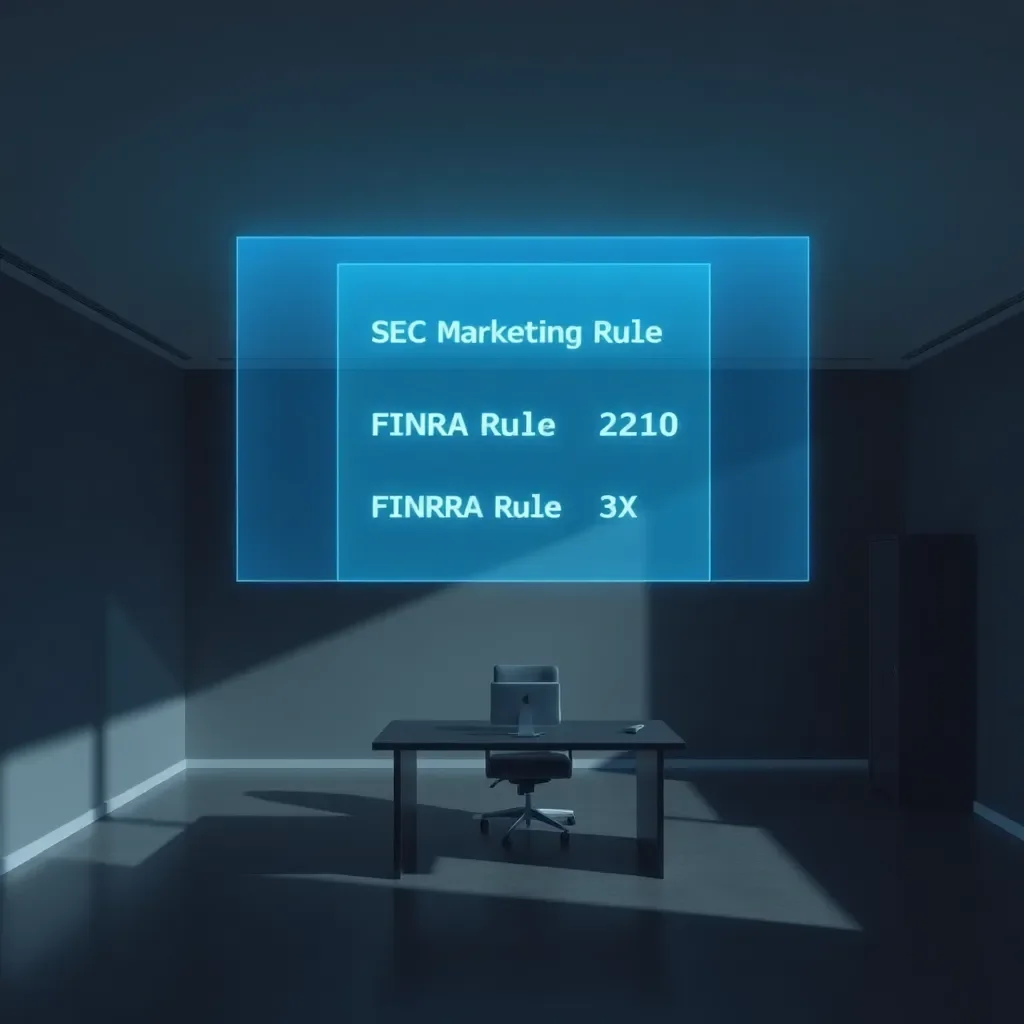
The compliance stance varies. SEC-registered fintechs fall under the SEC Marketing Rule, FINRA Rule 2210 for BD-affiliated, CFPB UDAAP for consumer lending, CAN-SPAM for email, TCPA for SMS, GLBA for data. The main problem is poor workflows: late submission of scripts to CCO, removal of mandatory disclosures, rejection of creatives after budget approval.
In 2026, AI technologies drive personalized content: behavioral signals (spending history, in-app actions) increase CTR by 15-40% (Right Left Agency). Social proof is built through influencers (Klarna: 33% of Gen Z try new brands), meme marketing (Cleo), referral programs (Monzo). Video from clients is the most conversion-friendly format: a 90-second CFO testimonial is more effective than five articles.
SEO for Fintech
PLG SEO: activation maps (templates, calculators) capture intent and product trial. Comparison pages (“X vs Y”) consistently rank #1 for bottom-of-funnel queries. Glossaries (KYC, AML, BIN sponsorship) dominate the long tail. GEO (generative engine optimization) yields +57% CTR (Mintposition 2026).
Video in Fintech
Video is effective in three formats:
Product explainer videos (90 seconds with UI and developer voiceover)
Video from clients (3-5 videos per year, 90-120 seconds each)
High-cost branded videos with drones yield low ROI. For Series A-B B2B fintech, the monthly video budget is $40K-$100K per year. Vidpros offers a flat monthly subscription with built-in compliance review.
Frequently Asked Questions
Which marketing channels are most effective for B2B fintech?
Paid search and social media for demand capture, SEO and content for generation, email and in-app for activation, ABM for enterprise, video from clients for trust.
How to measure fintech marketing ROI?
Use metrics like CAC, LTV, payback period, and attribution. Advanced analytics increases ROI by 5-8 times.
What compliance rules are important for fintech video?
Depends on the fintech type: SEC Marketing Rule for RIAs, FINRA 2210 for broker-dealers, CFPB UDAAP for consumer lending. Be sure to coordinate scripts with the CCO.
How much does a minute of AI video cost for fintech?
Cost varies: from $40K to $100K per year for regular production. Flat-rate editor or outsourced agency are affordable options.
Conclusion
Successful fintech marketing requires clear positioning, audience understanding, a balanced channel mix, and strict compliance. Video from clients and founders is the most effective tool for building trust. Start by auditing your current strategy and reach out to specialists for implementing AI video generation. Send a sample script to Vidpros — we will make the first video for free.