Blog

  • How to Cut Twitch Streams into Clips for TikTok

    How to Cut Twitch Streams into Clips for TikTok

    Video clips are one of the main ways for streamers to promote themselves. We break down how to turn a Twitch stream recording into short videos for TikTok: manually, through services, or with clippers.

    Clipping a Twitch stream into TikTok clips is a way to turn a long broadcast into short vertical videos that help find a new audience. Typically, from a two-hour stream, you can get five to thirty clips. The main thing is to choose strong moments, quickly grab the viewer’s attention, add subtitles, and release the clips where people are already watching short videos.

    For many streamers, video clips have become not an additional task, but the main way to promote themselves outside of Twitch. The stream itself is watched by those who have already come to the broadcast. A short video on TikTok, Reels, or YouTube Shorts can be seen by someone who has never heard of the channel. Therefore, the task is no longer just to “save a funny moment,” but to turn the broadcast into a stream of clips that bring in new viewers.

    The good news: the streamer doesn’t necessarily have to sit up at night and cut the recording themselves. There are three ways. The first is to do everything manually. The second is to use programs and services like Opus Clip, which turn long videos into short clips and support uploading links from Twitch and other platforms. The third is to upload the stream recording to a platform like VibeVO, where clippers themselves analyze the broadcast, make clips, publish them, and work for results — short video reach.

    Why Video Clips Have Become the Main Promotion Tool for Streamers

    Twitch is good for direct communication with the audience, but it has a limitation: for a viewer to come to the broadcast, they must already know about the streamer or accidentally see the stream. Short videos solve a different problem — they bring the best moments of the stream into the TikTok, Reels, and Shorts feed.

    This is especially important now because competition in live broadcasts is huge. According to Stream Hatchet, in 2025, viewers watched 36.4 billion hours of live broadcasts, and YouTube Gaming had its best year for live stream viewership. The more streamers there are, the more important it is to have a promotion channel outside the broadcast itself.

    The simple scheme looks like this:

    1. You conduct a stream.
    2. Upload the recording.
    3. Clippers or a service find the strong moments.
    4. Short vertical videos are made from them.
    5. The videos are published on TikTok, Reels, and YouTube Shorts.
  • New viewers come to the profile, Discord, YouTube, or back to Twitch.
  • Thus, a stream becomes not a one-time event, but a source of dozens of short clips.

    Where to Get the Stream Recording

    Don’t overcomplicate it. You need the source material—the broadcast recording. Usually, there are three options:

    • Twitch stream recording;
    • local recording from your computer, if you save the broadcast through streaming software;
    • an uploaded file or link, if the recording is already on YouTube, Google Drive, or another platform.

    For the article, there’s no need to dive into technical details. It’s enough to explain to the streamer: “after the broadcast, save the recording and send it to the clipping service.” Twitch also supports working with clips: according to Twitch documentation, a clip can be between 5 and 60 seconds long, and you can also create clips from a broadcast recording.

    But a regular Twitch clip is not yet a TikTok video. It’s often horizontal, without subtitles, without an opening that immediately grabs the viewer, and without adaptation for mobile.

    How to Choose Moments for Short Videos

    The best moments are usually obvious right away. These aren’t “any minute of the stream,” but scenes where something happened.

    Look for:

    • a sharp emotion;
    • a funny mistake;
    • an unexpected twist;
    • a victory in a tough situation;
    • an argument with the chat;
    • a strong reaction;
    • a moment that can be understood without two hours of context.

    If you need to explain for a long time what happened, the moment is weaker. For TikTok and Shorts, scenes where the meaning is clear almost immediately work better.

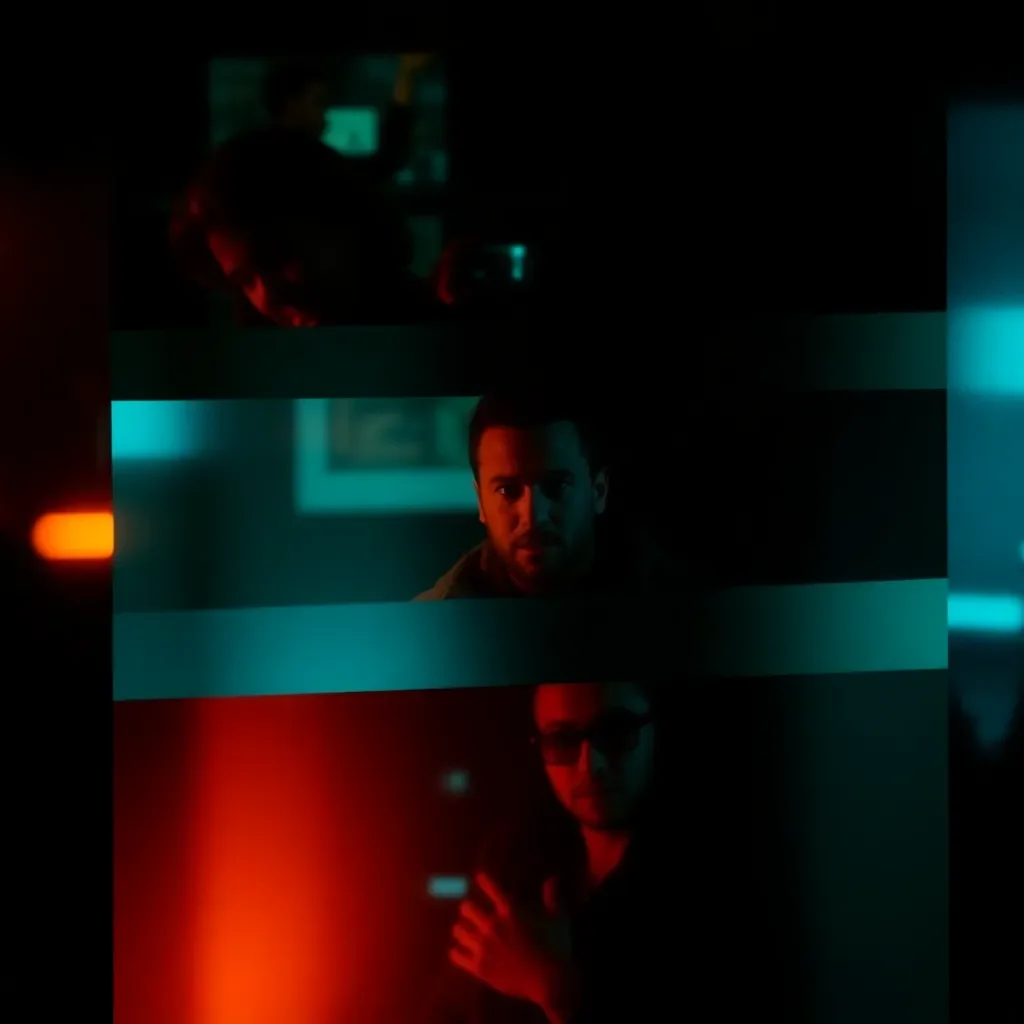
    Example of a good moment: “The chat said I wouldn’t win this round—and here’s what happened.”
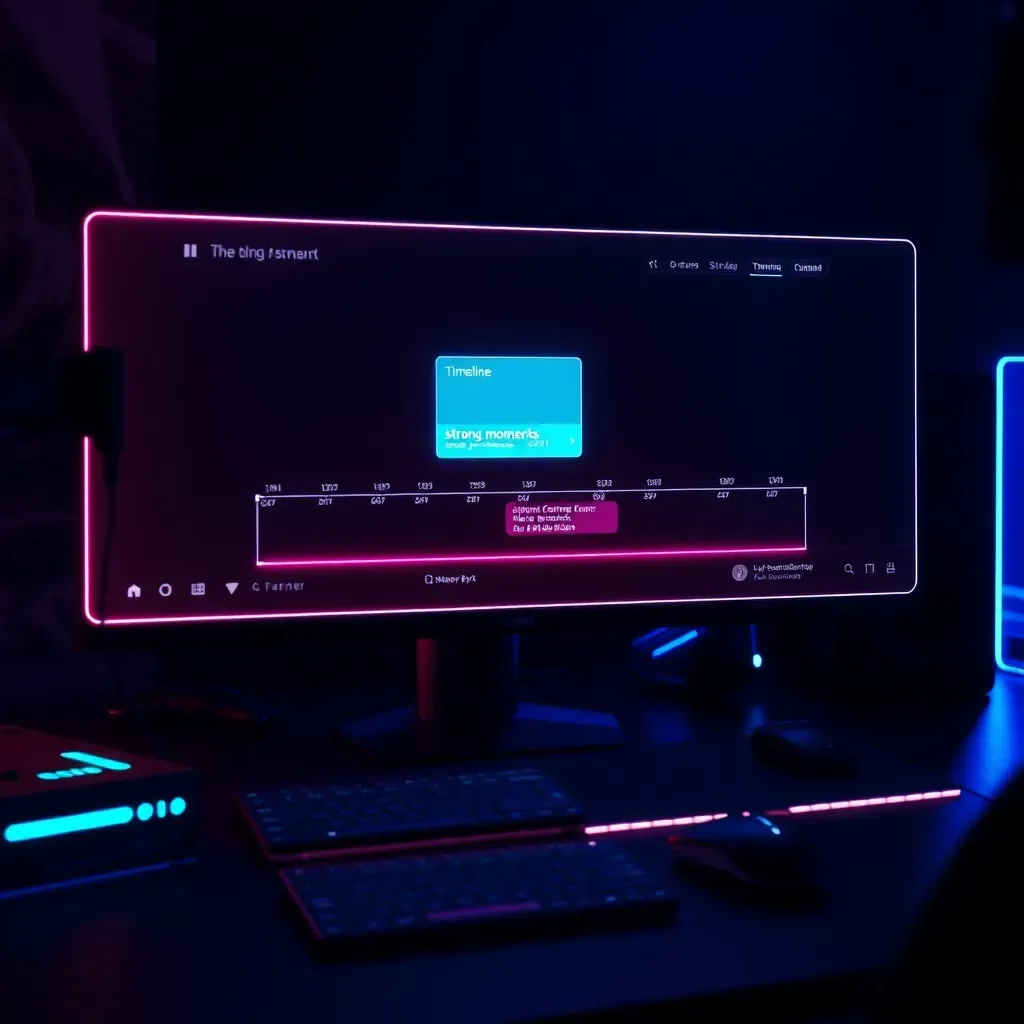
    Illustration 1

    Example of a weak moment: “It’s funny, but you need to know what happened 40 minutes before this.”

    How to Make the Video Vertical

    Most streams are recorded horizontally, while TikTok, Reels, and Shorts are watched vertically. So the video needs to be reformatted for a phone screen.

    Format When It Works
    Face on top, game below Reactions, funny moments
    Game large, face in corner Complex gameplay moments
    Face large, game smaller Conversational or emotional scenes
    Game only If the moment on screen is key
    Text and subtitles large If the meaning is in a phrase or joke

    TikTok, in its creative recommendations, emphasizes that videos should be vertical, high quality, and consider safe zones in the interface so that buttons and descriptions don’t cover important elements.

    How to Hook the Viewer in the First Seconds

    The main mistake is starting the video too slowly. Don’t leave phrases like “so, now, wait…” or a long menu entry in the game. The video should start with a conflict, a promise, or a strong phrase.

    Good beginnings:

    • “The chat said it was impossible.”
    • “I thought it was a regular round.”
    • “The dumbest way to lose.”
    • “He didn’t realize the microphone was on.”
    • “If you play this game, you know this pain.”

    TikTok recommends building a video according to the scheme: a strong beginning, main part, and conclusion; TikTok materials also state that most of the impact on ad recall occurs in the first six seconds. For a streamer, this means: don’t postpone the main part to the middle of the video.

    Why Subtitles Are Needed

    Subtitles are almost always needed. Many people watch short videos without sound or on a small screen. Additionally, subtitles help hold attention and make the joke clearer.
    Как нарезать стрим Twitch в клипы для TikTok — illustration 2
    Illustration 2

    The rules are simple:

    • don’t make lines too long;
    • highlight key words;
    • remove unnecessary pauses;
    • check for errors;
    • don’t cover the face, game, or important elements with subtitles.

    If a video is made by an editor, they shouldn’t just turn on automatic subtitles, but should clean them up.

    Do It Yourself, Through a Program, or Through Editors

    There are three working approaches.

    Do it yourself. Suitable if you are just starting out and want to understand which videos work. The downside is that it takes a long time. After a two-hour stream, you can spend several more hours reviewing the recording, editing, and publishing.

    Use automatic clipping services. Suitable if you need to quickly get initial drafts. Such services help find moments, create a vertical format, and add subtitles. But the result still needs to be checked: the program doesn’t always understand the joke, context, and streamer’s style.

    Outsource the clipping to a team. This is the most convenient option if the streamer wants to focus on broadcasts rather than editing. In the VibeVO model, the streamer can upload the full stream recording, and the team itself analyzes the broadcast, selects moments, makes videos, publishes them, and gets paid based on results — the reach of short videos. This takes the heaviest part off the streamer: finding moments, editing, subtitles, publishing, and checking results.

    How Often to Publish Videos

    It’s better to publish regularly rather than posting everything at once.

    Illustration 3

    A practical option:

    • minimum — 1 video per day;
    • good pace — 5–10 videos per week;
    • if there are many streams — 2–3 videos per day;
    • it’s better to release the best videos within the first 24–48 hours after the broadcast.

    You don’t need to publish every found moment. Out of 30 options, it’s better to choose the 10–15 strongest ones.

    What to Track After Publication

    Don’t just look at views. What matters:

    Don’t just look at views. What matters:

    • how many people watched the video to the end;
    • where viewers started to leave;
    • how many comments appeared;
    • how many people went to the profile;
    • how many new subscribers came;
    • whether there were viewers who say on stream: “I came from TikTok.”

    If the platform or a team of editors makes the videos, this data helps them better choose moments in future streams.

    Common mistakes

    First mistake — simply re-uploading a horizontal Twitch clip to TikTok. It may be understandable to your viewers, but not to a new audience.

    Second mistake — too long of an intro. If the funny moment starts at the 15th second, most viewers won’t see it.

    Third mistake — lack of subtitles.
    Illustration 4

    Fourth mistake — making all videos the same. Different types are needed: funny mistakes, victories, reactions, arguments with chat, unexpected moments.

    Fifth mistake — trying to do everything yourself if it hurts your streams. If editing takes too much time, it’s better to hand it over to a service or editors.

    Frequently asked questions

    How many videos can you get from a two-hour stream? Usually from 5 to 30 ready-made videos. If the stream is dense, with many events and reactions, there may be more options. But you shouldn’t publish everything, only the best moments.

    What video length is best for TikTok? Most often — from 15 to 45 seconds. If the story is strong, you can go up to 60 seconds. The main thing is to have a hook at the beginning and a clear result at the end.

    Is it better to publish automatically or manually? It’s better when the process is automated, but the final check remains with a person. The video needs to be checked: the beginning, subtitles, vertical frame, description, and publication time.

    Conclusion

    Stream clipping is not just a way to save funny moments, but a powerful tool for audience growth. Choose your path: do it yourself, use services, or entrust it to professionals. The main thing is to start. Try uploading a recording of one stream to a clipping service and see how your channel changes in a month. Good luck with your promotion!

  • How to Cut Twitch Streams into Clips for TikTok

    How to Cut Twitch Streams into Clips for TikTok

    Video clips are one of the main ways to promote streamers. We break down how to turn a Twitch stream recording into short TikTok videos: manually, through services, or with the help of clippers.

    Clipping a Twitch stream into TikTok clips is a way to turn a long broadcast into short vertical videos that help find a new audience. Typically, from a two-hour stream, you can get five to thirty clips. The main thing is to choose strong moments, quickly grab the viewer’s attention, add subtitles, and release the clips where people are already watching short videos.

    For many streamers, video clips have become not an additional task, but the main way to promote beyond Twitch. The stream itself is watched by those who have already come to the broadcast. A short video on TikTok, Reels, or YouTube Shorts can be seen by someone who has never heard of the channel. Therefore, the task is no longer just to “save a funny moment,” but to turn the broadcast into a stream of clips that bring in new viewers.

    The good news: a streamer doesn’t necessarily have to sit up at night and cut the recording themselves. There are three paths. The first is to do everything manually. The second is to use programs and services like Opus Clip, which turn long videos into short clips and support loading links from Twitch and other platforms. The third is to upload the stream recording to a platform like VibeVO, where clippers themselves break down the broadcast, make clips, publish them, and work for results — short video reach.

    Why video clips have become the main promotion tool for streamers

    Twitch is good for direct communication with the audience, but it has a limitation: for a viewer to come to the broadcast, they must already know about the streamer or accidentally see the stream. Short videos solve a different problem — they bring the best moments of the stream into the TikTok, Reels, and Shorts feed.

    This is especially important now because competition in live broadcasts is huge. According to Stream Hatchet, in 2025, viewers watched 36.4 billion hours of live broadcasts, and YouTube Gaming had its best year for live stream viewership. The more streamers there are, the more important it is to have a promotion channel outside the broadcast itself.

    A simple scheme looks like this:

    1. You conduct a stream.
    2. Upload the recording.
    3. Clippers or a service find the strong moments.
    4. They make short vertical videos from them.
    5. The videos are published on TikTok, Reels, and YouTube Shorts.
  • New viewers come to the profile, Discord, YouTube, or back to Twitch.
  • Thus, a stream becomes not a one-time event, but a source of dozens of short clips.

    Where to Get a Stream Recording

    Don’t overcomplicate it. You need the source material—a broadcast recording. Usually, there are three options:

    For the article, there’s no need to dive into technical details. It’s enough to explain to the streamer: “after the broadcast, save the recording and send it to a clipping service.” Twitch also supports working with clips: according to Twitch documentation, a clip can be between 5 and 60 seconds long, and you can also create clips from a broadcast recording.

    But a regular Twitch clip is not yet a TikTok video. It’s often horizontal, without subtitles, without an opening that immediately grabs the viewer, and without adaptation for a phone.

    How to Choose Moments for Short Videos

    The best moments are usually obvious right away. These aren’t “any minute of the stream,” but scenes where something happened.

    Look for:

    If you need to explain for a long time what happened, the moment is weaker. For TikTok and Shorts, scenes where the meaning is clear almost immediately work better.

    Example of a good moment: “The chat said I wouldn’t win this round—and here’s what happened.”

    Illustration 1

    Example of a weak moment: “It’s funny, but you need to know what happened 40 minutes before this.”

    How to Make a Video Vertical

    Most streams are recorded horizontally, but TikTok, Reels, and Shorts are watched vertically. Therefore, the video needs to be rearranged for a phone screen.

    Format When It Works
    Face on top, game on bottom Reactions, funny moments
    Game large, face in corner Complex gaming moments
    Face large, game smaller Conversational or emotional scenes
    Game only When the moment on screen is key
    Text and subtitles large When the meaning is in a phrase or joke

    TikTok, in its creative recommendations, emphasizes that videos should be vertical, high quality, and account for safe zones in the interface so that buttons and descriptions don’t cover important elements.

    How to Hook a Viewer in the First Seconds

    The main mistake is starting a video too slowly. Don’t leave phrases like “so, now, wait…” or a long menu entry in the game. The video should start with a conflict, a promise, or a strong phrase.

    Good beginnings:

    TikTok recommends building a video according to the scheme: a strong beginning, main part, and conclusion; TikTok materials also state that most of the impact on ad recall occurs in the first six seconds. For a streamer, this means: don’t postpone the main point to the middle of the video.

    Why subtitles are needed

    Subtitles are almost always needed. Many people watch short videos without sound or on a small screen. In addition, subtitles help hold attention and make the joke clearer.

    Illustration 2

    The rules are simple:

    If a video is made by an editor, they should not just turn on automatic subtitles, but clean them up.

    Do it yourself, through a program, or through editors

    There are three working approaches.

    Do it yourself. Suitable if you are just starting out and want to understand which videos work. The downside is that it takes a long time. After a two-hour stream, you can spend several more hours reviewing the recording, editing, and publishing.

    Use automatic clipping services. Suitable if you need to quickly get first drafts. Such services help find moments, create a vertical format, and add subtitles. But the result still needs to be checked: the program doesn’t always understand the joke, context, and streamer’s style.

    Outsource the clipping to a team. This is the most convenient option if the streamer wants to focus on broadcasts rather than editing. In the VibeVO model, the streamer can upload the full stream recording, and the team itself analyzes the broadcast, selects moments, makes videos, publishes them, and gets paid based on results — the reach of short videos. This takes the heaviest part off the streamer: finding moments, editing, subtitles, publishing, and checking results.

    How often to publish videos

    It’s better to publish regularly rather than posting everything at once.

    Illustration 3

    A practical option:

    You don’t need to publish all the found moments. Out of 30 options, it’s better to choose the 10–15 strongest ones.

    What to track after publication

    Don’t just look at views. What matters:

    If the platform or a team of editors makes the videos, this data helps them better choose moments in future streams.

    Common mistakes

    First mistake — simply re-uploading a horizontal Twitch clip to TikTok. It may be understandable to your viewers, but not to a new audience.

    Second mistake — too long an intro. If the funny moment starts at the 15th second, most viewers won’t see it.

    Third mistake — lack of subtitles.

    Illustration 4

    Fourth mistake — making all videos the same. Different types are needed: funny mistakes, victories, reactions, arguments with chat, unexpected moments.

    Fifth mistake — trying to do everything yourself if it hurts your streams. If editing takes too much time, it’s better to delegate it to a service or editors.

    Frequently asked questions

    How many videos can you get from a two-hour stream? Usually from 5 to 30 ready-made videos. If the stream is dense, with many events and reactions, there may be more options. But you should publish only the best moments, not everything.

    What video length is best for TikTok? Most often — from 15 to 45 seconds. If the story is strong, you can go up to 60 seconds. The main thing is to have a hook at the beginning and a clear result at the end.

    Is it better to publish automatically or manually? It’s better when the process is automated, but the final check remains with a person. The video needs to be checked: the beginning, subtitles, vertical frame, description, and publication time.

    Conclusion

    Stream clipping is not just a way to save funny moments, but a powerful tool for audience growth. Choose your path: do it yourself, use services, or entrust it to professionals. The main thing is to start. Try uploading a recording of one stream to a clipping service and see how your channel changes in a month. Good luck with your promotion!

  • What is Uniqueness and Mass Posting of Short Videos

    What is Uniqueness and Mass Posting of Short Videos

    In the world of short videos, the race for reach and virality forces marketers to seek increasingly sophisticated promotion methods. Two key tools in this arsenal are uniquification of short videos and mass posting. But where is the fine line between an effective strategy and a direct violation of platform rules? We analyze why these techniques are needed, what methods exist, and how a brand can avoid blocks.

    Uniquification of short videos is the preparation of a video for republishing through minor changes in editing, sound, duration, cropping, text, or visual elements. Mass posting is the mass publication of such videos on different pages, channels, or accounts. In advertising, this approach is used for widespread content distribution, but it requires caution due to platform rules.

    Uniquification and mass posting emerged from a simple practical task: one video often needs to be distributed widely, quickly, and across different platforms. If you simply upload the same file many times, platforms may perceive it as repetition, spam, low-quality mass content, or an attempt to artificially increase reach.

    Therefore, the market uses uniquification: the video is slightly altered before publication. Duration, first frame, brightness, volume, cropping, captions, fragment order, overlaid elements, thumbnail, voice, music, or local text are changed. Sometimes tools based on artificial intelligence are used: for text reformulation, voiceover generation, background replacement, character addition, subtitles, or local versions.

    It is important to understand the boundary. Adapting a video for different platforms or countries is a normal work task. But if the goal of uniquification is to hide repetition, bypass checks, deceive the system, or publish the same material through a network of opaque accounts, this is already a risk. Platforms may limit reach, reject publications, delete videos, or block accounts. YouTube specifically states that excessively repetitive, mass-produced, or uniform content may be considered ineligible for monetization, and Meta prohibits the use of inauthentic accounts to deceive users or circumvent rules.

    Why Uniquification is Used

    Uniquification is used when the same advertising or informational material needs to be released in a large number of publications. This could be a promotional video for an app, VPN service, online store, educational product, gaming project, financial service, or online gambling project.

    Most often, the task is this: there is a video that has already shown good results, and it needs to be distributed more widely. One account or one publication does not provide the required volume. Then multiple pages, channels, authors, or partner accounts are involved. To ensure publications do not look completely identical, the video is changed.

    In mass advertising, this is especially noticeable in short videos: TikTok, Instagram Reels, YouTube Shorts, thematic pages with memes, movie clips, broadcast fragments, gaming moments, and short facts. The content is easily consumed, quickly gains views, and the advertising element is embedded on top or inside the video.

    What is usually changed during uniquization

    In practice, uniquization often refers to a set of editing and visual changes. These can be technical, editorial, or linguistic.

    Illustration 1
    What is changed How it looks
    Duration the video is shortened, lengthened, pauses are removed
    First frame a different start, cover, or visual hook is placed
    Framing scale is changed, edges are cropped, vertical frame is rearranged
    Brightness and contrast the image is made lighter, darker, more saturated
    Volume sound is leveled, music or voice level is changed
    Music a different background is added or controversial sound is removed
    Text captions, title, call to action are changed
    Overlaid elements a banner, logo, label, character, arrow are added
    Voiceover voice is replaced, translated, a local version is made
    Frame order fragments are rearranged to change the rhythm

    These changes can be normal adaptation if they improve the perception of the video, make it more understandable for the platform, country, or audience. But they should not be used as a disguise for prohibited, stolen, or already rejected material.

    What is mass-posting

    Mass-posting is the publication of a large number of videos on multiple accounts, pages, or channels. In advertising, it is used when broad reach is needed without purchasing one expensive influencer placement.

    For example, an advertiser may distribute videos through a network of thematic pages: memes, movie clips, games, facts, sports, reactions, streams. On top or inside the video, there may be a banner, branded character, promo code, link, or short call to action.

    The problem is that mass-posting easily turns into spam if done without control. If dozens of accounts publish nearly identical videos, without rights to the content, without disclosure of advertising, and without a clear owner, this becomes a risk for the brand. YouTube directly classifies excessively repetitive and non-targeted content as video spam, and Meta may remove unreliable accounts and pages if they are used for deception or circumvention of rules.

    Illustration 2

    Что такое уникализация и масс-постинг коротких видео — illustration 2

    Uniqueness Through Artificial Intelligence

    Tools based on artificial intelligence are often used to speed up uniqueness. They help change voiceovers, translate text, generate subtitles, create local versions, develop characters, change backgrounds, improve images, or compile multiple presentation options.

    But artificial intelligence adds a separate layer of risk. In Europe, requirements for transparency of materials created or modified by artificial intelligence are increasing: the European Commission indicates that Article 50 of the EU AI Act relates to labeling and disclosure of artificially created or modified content, including deepfakes and some AI-generated publications.

    Therefore, it is safer for a brand to decide in advance: where AI voiceovers can be used, where a live voice is needed, when a label is required, who checks the result, and which markets require legal review.

    Where the Risk Boundary Lies

    Safe uniqueness answers the question: “How to make a video clearer, more appropriate, and better for this platform or country?”

    Illustration 3

    Risky uniqueness answers a different question: “How to disguise the same video so the system doesn’t recognize it as a repeat?”

    The difference is fundamental. In the first case, the quality of presentation changes. In the second, there is a risk of violating rules, limiting reach, and blocking accounts. Google Ads directly prohibits advertisers from running materials that attempt to deceive or bypass review processes, including creating variations of ads, domains, or content after rejection.

    Frequently Asked Questions

    Is uniqueness a way to bypass algorithms?

    In the market, this word is often used that way, but for a brand it is safer to phrase it differently: uniqueness is the adaptation of a video to the platform, country, format, and audience. If the goal is to hide a repeat, bypass a review, or continue publishing rejected material, this poses a risk to accounts and reputation.

    Is mass posting allowed?

    Mass posting itself is not always prohibited. The problem begins when posts become spam, come from unreliable accounts, violate copyright, hide commercial relationships, or attempt to bypass platform restrictions. Each platform has its own rules, and they need to be checked before launch.

    Illustration 4

    What uniqueness methods are most commonly used?

    What is most often changed?

    Most often, duration, cropping, the first frame, brightness, volume, captions, voiceover, music, cover, order of fragments, and overlaid elements are changed. But these methods should improve the video, not mask prohibited or already rejected material.

    Can a video be republished from other accounts?

    Only through accounts that have the right to publish this material, do not hide their role, and comply with the platform’s rules. If a network of accounts is used to bypass blocks, impersonate others, or artificially boost reach, this becomes a high risk.

    Do I need to disclose advertising?

    Yes, if the video promotes a product, service, or brand. TikTok requires disclosure of commercial content when promoting a brand, product, or service; without proper disclosure, the publication may be removed or restricted.

    Conclusion

    Uniqueness and mass posting are powerful tools for scaling content, but they require a responsible approach. Remember: the goal is not to deceive algorithms, but to make your content better and more relevant for each audience. Start by auditing your current strategy: check whether your methods comply with platform rules and whether they create reputational risks. If in doubt, consult a lawyer or compliance specialist. Your brand deserves safe growth, not blocks.

  • How banner ads and display ads work in TikTok, Reels, and Shorts

    How banner ads and display ads work in TikTok, Reels, and Shorts

    Banner ads and overlays in TikTok, Reels, and Shorts are a powerful tool for rapid brand awareness growth. In this article, we will break down how these formats work, how to properly set them up, label them, and measure their impact on reach, organic traffic, and search.

    Banner ads and overlays in TikTok, Reels, and Shorts are an advertising layer on top of a short video: an animated banner, logo, short overlay, or character in branded clothing. The overlay “sticks” to the top of the video and is visible in the stream of movie clips, TV series, memes, and educational videos, provided the content is allowed for placement and passes moderation. This format helps quickly gain massive reach.

    Current as of May 25, 2026. Platform rules change, so before launching, you need to check the current requirements of TikTok, Instagram, YouTube, and local advertising legislation. If the publication is paid advertising or commercial placement, platforms require explicit labeling: TikTok uses the commercial content disclosure setting, Instagram uses the paid partnership tag, and YouTube uses the paid promotion tag.

    How the format works

    This is not a long integration by the author or a separate ad video before the clip. The format is simpler: the viewer watches a short video, and an advertising overlay, banner, or character appears on top of it. The ad does not try to replace the video itself. It adds a noticeable trademark sign to the content that the audience is already watching.

    Content for such placement can include movie and TV series clips, memes, educational videos, explanatory videos, fact compilations, reactions, and other short formats. Important: only content that is allowed for placement and does not violate copyright holders’ rights can be used. If the video has no legal basis for publication, the advertising overlay does not make it safe.

    There are two main types of advertising layers.

    First — banner or overlay

    This is a compact animated strip, logo, card, message, or call to action. It appears at the top or bottom, stays for a few seconds, or is visible for most of the video.

    Second — branded character

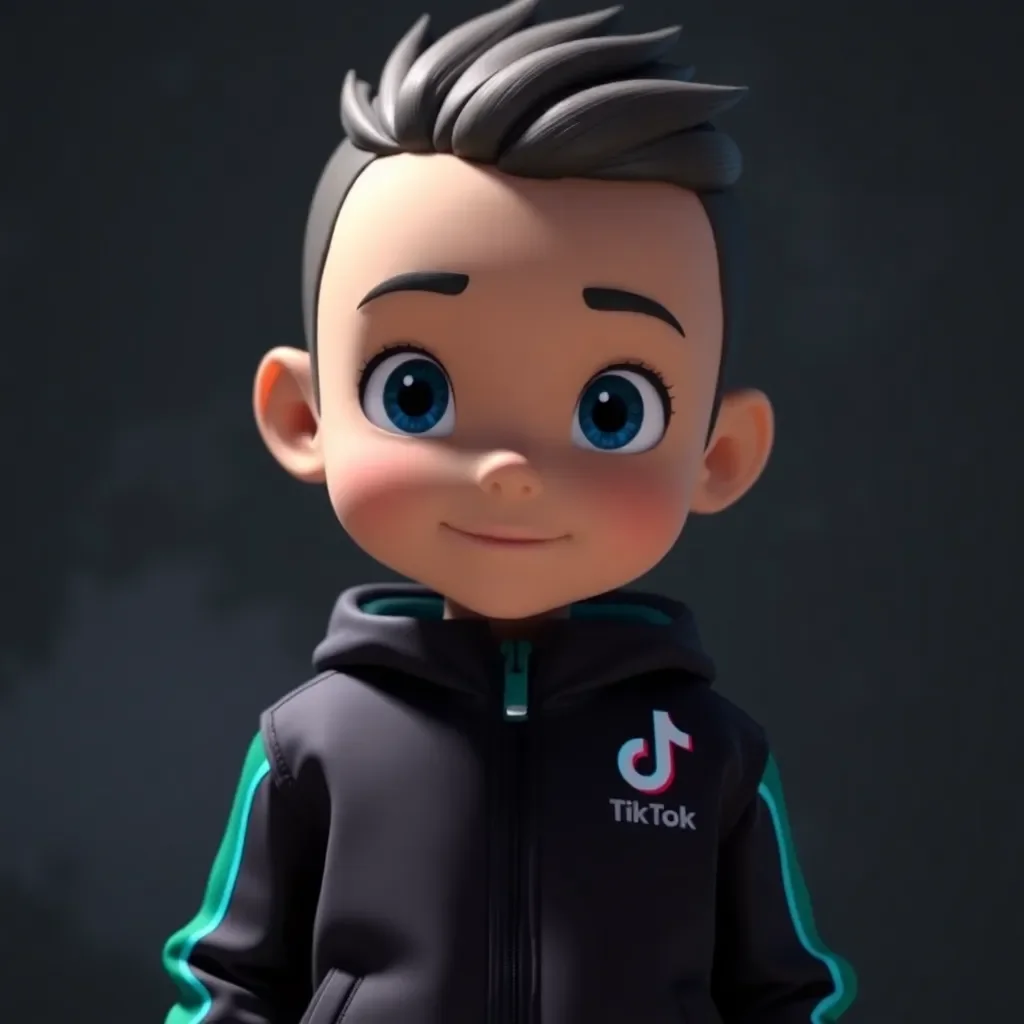
    This is an animated person or mascot in clothing with a logo. For TikTok, it is better to use a waist-up character: this way it does not get lost when cropped, is not covered by the interface, and better conveys the trademark sign.

    The point of the format is to launch ads for large reach. When thousands or millions of viewers see the same trademark sign in their usual stream of short videos, it provides classic brand awareness growth: people start recognizing the name, searching for it more often, visiting directly, and responding to the company in other channels.

    Format by Platform

    Platform What to Use How to Place What to Check
    TikTok Branded character waist-up or short banner Keep face, logo, and clothing closer to the center Is the character cropped, is the logo covered, does the interface interfere
    Instagram Reels Animated banner or short banner Do not place important text at the very top or bottom Are the caption, author name, and buttons covered
    YouTube Shorts Animated banner, banner, or short card Keep the message simple and large Is the logo visible on a mobile screen
    VK Animated banner Use the same base banner as for YouTube and Instagram, but check the preview Is the text too small, is the call to action lost

    For YouTube, Instagram, and VK, you can prepare one common animated banner and adapt it for the preview. For TikTok, it is better to make a separate version with a waist-up character. This is not a designer’s whim, but a practical safeguard against cropping, interface interference, and loss of readability.

    Advertising Labeling

    If the placement is paid, the viewer must understand that it is an advertisement. Simply placing a logo on a banner is not enough. Clear labeling and compliance with platform rules are required.

    TikTok

    If an author promotes a product, service, or trademark, TikTok requires enabling the commercial content disclosure setting. If the publication is made on behalf of another company, it may be displayed as a paid partnership.

    Instagram Reels

    Instagram requires using the paid partnership tag for branded commercial content. Instagram’s rules state that such content must be published with the appropriate labeling tool.

    YouTube Shorts

    YouTube requires informing the platform about paid placement, sponsorship, or product endorsement so that the platform can show a disclosure to the viewer. YouTube also warns that the author may have additional obligations under their country’s laws.

    USA and FTC 16 CFR Part 255

    If the campaign involves the US market, it is important to consider FTC rules on disclosing a material connection between the advertiser and the author. 16 CFR Part 255 states that authors may be held liable for failing to disclose an unexpected material connection with the advertiser.

    How the Author Adds the Banner

    The process should be simple and repeatable.

    1. The author receives the video or publishes approved content for editing.
    2. The advertiser provides the banner, banner, or character.
    3. The author adds the advertising layer on top of the video.
    4. The author checks that the banner does not cover the face, subtitles, important action, or buttons.
    5. If the publication is advertising, the author enables the appropriate tag on the platform.
  • The video is sent for review to the advertiser or the moderation system.
  • After review, the video is published or enters an ad launch.
  • A good format does not require the creator to come up with an integration every time. They receive a ready-made ad layer and clear rules: where to place it, how long to hold it, what not to cover, and how to label it.

    Illustration 1

    What the Advertiser Checks Before Publication

    The advertiser should look not only at the beauty of the banner but at its functionality.

    Visibility of the trademark. The logo must be quickly readable. If it is only visible during a pause, the banner is weak.

    Position on the screen. The banner should not cover the interface, faces, subtitles, important objects, or action in the frame.

    TikTok version. The character should be shown from the waist up, in branded clothing, with a clearly visible trademark sign. Full height is best avoided: it is easier to crop.

    Text. The message should be short. Do not write paragraphs on the banner. For a short video, a name, benefit, and call to action are enough.

    Content rights. If the video is a clip from a movie, series, meme, or educational video, check whether it is allowed to use it. Advertising over controversial content does not protect the campaign from claims.

    Labeling. Check whether the required mark is enabled on the platform if the placement is advertising.

    Link and tags. If there is a link to a website, check the link and tags in the URL to later see the result in analytics.

    Как работает баннерная реклама и плашки в TikTok, Reels и Shorts — illustration 2
    Illustration 2

    How to Measure Results

    Banner advertising in short videos works not only through clicks. Its main effect is mass contact with the trademark.

    Look at several levels of results.

    1. Reach. How many people saw the banner, ad, or character.

    2. Frequency. How many times, on average, one viewer encountered the trademark.

    3. Visibility. Was the logo readable, was it covered, did it disappear too quickly.

    4. Clicks. If the banner has a call to go to the website, track clicks and visits.

    5. Search by name. After mass reach, people often do not click immediately but search for the name later. Therefore, look at the growth of queries for the trademark.

    6. Unpaid visits. If the campaign is noticeable, direct traffic, organic search, and visits to company profiles may grow.

    Illustration 3

    7. Awareness study. For large launches, add a survey or study of awareness growth. TikTok For Business specifically notes that successful materials and correct trademark signals help enhance memorability and brand connection.

    Where the Format Breaks

    The banner is too small. The viewer does not read the text and does not remember the brand.

    The banner covers the video. If the ad interferes with watching the video, it irritates rather than works.

    The character is cropped on TikTok. Use a waist-up version and keep important elements in the center.

    One file is used everywhere. For YouTube, Instagram, and VK, one banner might work, but TikTok requires separate verification.

    No labeling. If the placement is paid, lack of disclosure may lead to platform risks and claims from regulators.

    Controversial content. Clips from movies, series, and memes should only be used if there is a legal basis. Otherwise, the problem will not be with the banner but with the video itself.

    Too weak a connection to the brand. If the banner does not contain a logo, name, or recognizable character, reach may be high, but recall will be low.

    Illustration 4

    Why the Format Works for Mass Reach

    Short videos are watched quickly and in large volumes. The viewer may not be ready for a long ad, but they notice a recurring sign: a logo, color, character, clothing, or short phrase. When such a banner appears in a large number of videos, the brand begins to “stick” to the audience’s attention.

    The effect is especially useful for companies that need to quickly boost awareness. People see the banner in memes, clips, educational videos, and entertainment content. Then they start recognizing the name in search, ads, recommendations, and on the website. Thus, the format supports not only reach but also unpaid traffic, name searches, and overall interest in the brand.

    Frequently Asked Questions

    Do I need to use a paid partnership tag on the platform? Yes, if the placement is paid advertising, product promotion, or a publication with a commercial connection. TikTok requires disclosing commercial content, Instagram requires a paid partnership tag for branded commercial content, and YouTube asks to report paid promotion to show disclosure to the viewer.

    What if the banner covers an important interface? Reduce the banner, move it closer to the center of the safe area, or create a separate version for the platform. Do not place key text near the edges. For TikTok, it is better to use a waist-up character rather than a full-length one.

    Can I run the same banner on all three platforms? You can use one idea and one common design, but the files need to be checked separately. YouTube, Instagram, and VK can use one basic animated banner. For TikTok, it is better to make a separate version with a waist-up character.

    Is the format suitable for movie clips, series clips, and memes? Yes, if the content is allowed for posting and does not violate rights. The format itself works well for clips, memes, educational videos, and entertainment content because the overlay adds an advertising layer on top of video that is already interesting to the viewer.

    Why does this affect search and non-paid traffic? Because mass reach increases brand recognition. Some viewers do not click immediately but remember the name and later search for it, visit directly, or respond to ads in another channel.

    Ready to launch your first campaign? Start by checking the platform’s rules and preparing a high-quality ad overlay. Good luck!

  • How to Buy Cheap Reach in Short Videos

    How to Buy Cheap Reach in Short Videos

    In the world of short videos, where every clip fights for attention, buying cheap reach has become one of the most effective ways to quickly make a brand known. But how do you avoid overpaying and falling for fake engagement? In this practical guide, we will break down how to buy cheap reach through banners in short videos, how much a million impressions costs in the CIS and the USA, and how to check the quality of placement.

    What is cheap reach in short videos

    Cheap reach in short videos is the purchase of ad impressions at the lowest price per thousand or million impressions on TikTok, Instagram Reels, YouTube Shorts, and similar formats while maintaining normal audience quality. The cheapest reach is often provided by banners on short videos: one banner is placed on a large number of videos, rather than being created separately for each creator.

    In 2026, such advertising is especially interesting for companies that need mass audience contact without the costs of full-scale filming, a TV commercial, or a separate integration with a blogger. According to IAB data, digital video advertising spending in the USA grew by 18% in 2024 to $64 billion and was forecast at $72 billion in 2025. The video advertising market continues to grow faster than many other advertising channels.

    For the CIS, the working cost of advertising in banners on short videos can currently start from about $35 per million impressions and go up to $60–70 per million impressions or higher, depending on the brief, country, language, topic, placement requirements, and quality checks. In terms of CPM, this is approximately $0.035–0.07 per thousand impressions. For the USA, the benchmark for banner advertising is higher: roughly $200–500 per million impressions, i.e., about $0.20–0.50 per thousand impressions. This can still be cheaper than TV reach, especially when considering not only the airtime price but also production, agency costs, and losses from non-target audiences.

    Why cost per thousand impressions matters more for awareness than cost per click

    When the goal is awareness, the main question is: how many people saw the message and how much did that contact cost? The click is secondary here. A user may see a banner on a short video, remember the name, later find the company in a search, or simply start recognizing it in other channels. There may be no direct click, but the contact has already occurred.

    Cost per click is better suited for tasks that require action: a lead, purchase, registration, or website visit. For awareness, other metrics are more important:

    Metric What It Shows Why It Matters
    Cost per thousand impressions How much 1000 impressions cost Base cost of reach
    Cost per million impressions How much a large volume costs Convenient for budget planning
    Reach How many people saw the ad Shows scale
    Frequency How many times a person saw the banner Helps avoid overload
    Share of suspicious impressions How many impressions were filtered out Protects against fraud
    Engagement Reactions, clicks, actions after viewing Shows audience vitality

    For a brand awareness campaign, a cheap cost per thousand impressions only makes sense when the impressions are real, videos are not duplicated in the system, and suspicious publications are blocked.

    Where Reach Is Usually Cheaper: Social Media, Bloggers, Video Banners, and Television

    If you compare channels not by prestige but by the cost of mass reach, the picture is usually as follows:

    Channel Price Benchmark Pros Limitations
    Banners on short videos, CIS $35–70+ per million impressions Very cheap mass reach Needs a strong system to protect against duplicates and fraud
    Banners on short videos, USA $200–500 per million impressions Cheaper than many video formats in the USA Higher competition and stricter quality requirements
    Paid social media advertising Usually more expensive with a narrow audience Quick launch, clear dashboards Price increases when narrowing the audience
    Blogger placements Often more expensive per actual view Trust in the author Harder to predict reach cost in advance
    Online video and television Usually more expensive when all costs are accounted for Large screen, familiar format Production and placement cost more

    Banners on short videos often win because one banner can be used on thousands of videos. There is no need to reshoot the video, negotiate with each author separately, or wait for publication. The format works especially well on content for easy consumption: movie and TV clips, collections of educational facts, memes, short educational videos, news compilations, entertainment, and explanatory videos.

    For gaming companies, the price is usually about 30% higher. The reason is not just demand. The gaming niche has more risks for advertisers: age restrictions, differences between genres, sensitivity to context, risk of unfavorable content adjacency, and stricter requirements for placement verification.

    How to Assess a Normal Price for Your Category

    You cannot take one price and consider it suitable for any company. Even within the CIS, the same banner can cost differently for food, apps, games, financial services, or education.

    First, you need to understand five things.

    1. Geography

    The more expensive the market, the higher the price. The CIS is usually cheaper than the USA. Within the CIS, a broad purchase may be cheaper than placement only in large cities.

    2. Language

    A local language often helps lower the price if the advertiser is not competing for the same audience as international companies.

    Illustration 1

    3. Topic

    Games, finance, betting, medicine, cryptocurrency, and investment-related products require greater caution. The price may be higher due to additional checks.

    4. Environment Requirements

    The stricter the list of prohibitions, the fewer available videos and the higher the price.

    5. Quality Check

    If the provider shows not only the number of impressions but also filters out duplicates, suspicious publications, and inflated metrics, the price may be higher, but the final reach will be cleaner.

    In the Russian and Russian-speaking context, it is important to consider that internet advertising remains the main source of growth for advertising budgets. According to a study by ARIR and Data Insight, the share of interactive advertising in company spending was forecast to be 56% in 2025, and on average, companies allocate 20% of their internet budget to testing new formats and technologies.

    How to reduce the price

    You should reduce the price not by asking “give it cheaper,” but by managing the purchasing conditions.

    Geography. If you don’t need only Moscow, Almaty, Tashkent, or Yerevan, you can expand the placement and get a cheaper million impressions.

    Illustration 2

    Language. Russian, Kazakh, Uzbek, Armenian, Georgian, and other local languages can offer different prices and different audience quality.

    Как купить дешёвый охват в коротких видео — illustration 2

    Video Topic. Content for easy consumption usually provides large volume: movie and TV clips, facts, memes, educational videos, explanatory videos. A narrow topic provides less volume and is often more expensive.

    Budget Size. The larger the volume, the easier it is to negotiate a lower price per million impressions.

    Banner Simplicity. The banner should be quickly readable. The easier it is to adapt to videos, the easier it is to scale the placement.

    Schedule Flexibility. Urgent launch is almost always more expensive. If the campaign can run for several days or weeks, the system will select more suitable videos.

    Checking for inflated metrics and placement quality

    Cheap reach is dangerous if there is no verification system. The main risk is buying not an audience, but beautiful numbers in a report.

    At iBV, for example, all publications in the system are automatically scanned. The system looks for suspicious behavioral signs: sharp unnatural growth in views, repeating patterns, suspicious dynamics, duplicate videos, mismatch between engagement and impression count. Publications with such signs are blocked and not used for placement.

    Illustration 3

    What to check before launching:

    Check Why It’s Needed
    Removing duplicate videos To ensure the same video is not sold as different placements
    Filtering suspicious publications To avoid paying for inflated views
    Checking view dynamics To spot unnatural spikes
    List of prohibited topics To avoid unsuitable surroundings
    Placement report To understand where the ad was shown
    Frequency of impressions To prevent one user from seeing the banner too many times

    A warning sign is the absence of a clear system for tracking and removing duplicate videos, as well as combating inflated views based on automated algorithms. If the provider simply promises “the cheapest reach” but does not explain how they find duplicates, block suspicious videos, and check publication behavior, such reach may be useless.

    How to Buy Reach Through Banner Ads on Short Videos

    Step 1. Define Metrics

    Before launching, you need to understand what counts as success. For a brand awareness campaign, the following are usually important:

    • cost per million impressions;
    • total number of impressions;
    • reach;
    • frequency;
    • share of filtered suspicious publications;
    • engagement;
    • impression growth dynamics;
    • list of topics where placement is prohibited.

    The click should not be the main metric. A banner on a video often works as a reminder and introduction to the brand, not as a direct purchase button.

    Step 2. Define the Audience

    You need to describe in advance the country, language, age restrictions, video topics, and prohibited categories. Do not narrow the audience too much if the goal is cheap reach. The more restrictions, the higher the price.

    Example of a normal description:

    Illustration 4

    CIS, Russian language, broad audience 18+, exclude politics, tragedies, aggressive content, controversial news, and unsuitable topics.

    Step 3. Create Banners

    For placement, you need simple banners that can be read in 1–2 seconds. Usually, the following are enough:

    • logo;
    • short phrase;
    • clear image;
    • one call to action;
    • version for vertical video;
    • backup text options.

    Step 4. Get a Media Proposal

    A good media proposal should show more than just the price. It should include:

    What to Request Why It’s Important
    Cost per million impressions Basic budget planning
    Countries and languages Understanding reach
    Video topics Control over surroundings
    Prohibited categories Brand safety
    Minimum budget Entry threshold
    Procedure for checking inflated views Understanding quality
    Report format What you will receive after the campaign

    For initial tests, you can use a minimum budget starting from $500. This threshold allows you to test price, volume, engagement, and report quality without the risk of immediately spending a large budget.

    Step 5. Launch a test campaign

    The first launch is not for a “perfect result”, but for testing a hypothesis. It is better to test several banner options and several video themes.

    For example:

    Option What we are testing
    Banner with
  • Why Advertising in Viral Videos Is Cheaper Than TV

    Why Advertising in Viral Videos Is Cheaper Than TV

    Why Advertising in Viral Videos Is Cheaper Than TV: A Breakdown for Marketers

    A breakdown for marketing teams: why overlays on short videos can be cheaper than television, how much a million impressions cost in the CIS and the US, and when TV is still necessary. Advertising in viral short videos can deliver reach noticeably cheaper than television, because placements are distributed across many videos, the banner is reused, and impressions can be quickly reallocated between topics, countries, and languages.

    Television sells airtime slots and requires expensive production. Overlays on short videos allow you to buy millions of impressions without shooting a separate TV commercial.

    This does not mean television is no longer needed. TV remains a strong channel for sports, major launches, older audiences, and national reach. But if the goal is to buy a very large number of impressions for minimal money, overlays on short videos are often cheaper.

    MAGNA, in its summer 2025 forecast, estimated global advertising revenue at $979 billion, while expecting a 3% decline in traditional channel revenues—including television, radio, print, and outdoor advertising—and an 8% growth for digital players. It also noted growth in advertising sales on social networks and short video platforms.

    What Makes Up the Price of Television

    Television advertising seems simple only from the outside: shoot a commercial, buy airtime, get reach. In practice, the price consists of several layers.

    Expense What It Includes How It Affects the Final Price
    Production Shooting, crew, actors, editing, sound, rights Increases the price even before airing
    Airtime Channel, time, program, season The more prestigious the slot, the more expensive
    Planning Selecting channels and schedules Adds separate costs
    Approvals Revisions, legal review, adaptations Increases timelines and costs
    Non-target audience People who don’t need the ad Makes the desired contact more expensive

    Television has a strong side: it creates a sense of scale. If a company goes on a major broadcast, it can be perceived as a sign of reliability. But in terms of cost per desired contact, TV often loses to short videos, especially when the audience is younger, more mobile, and more often watches content on their phone.

    What Makes Up the Price of Overlays on Short Videos

    Overlays on short videos have a different economy.

    Expense What It Includes Why It’s Cheaper
    Banner Simple overlay with logo and message No need to shoot a video
    Placement Many short videos One banner works on thousands of videos
    Verification Filtering out duplicates and suspicious publications Helps avoid paying for junk impressions
    Reporting Impressions, reach, engagement, trends Results can be quickly understood
    Adjustment Replacing the banner or topics Faster than changing a TV commercial

    For the CIS, the price can start from about $35 per million impressions and go up to $60–70 per million impressions and higher. For the US, banner advertising on short videos is usually more expensive: roughly $200–500 per million impressions. Even the US range can be lower than television reach, when considering production, agency fees, and non-targeted impressions.

    For gaming companies, the price is often about 30% higher because additional restrictions are needed: age limits, environment checks, exclusion of controversial topics, and more careful advertiser protection.

    Why Plaques Are Cheaper Than Television

    There are four reasons.

    1. No need to shoot a video

    A television commercial requires production. A plaque requires a banner. The difference in costs is enormous.

    2. One banner works on many videos

    A plaque can be used on movie and TV clips, educational facts, memes, educational videos, and other short videos for easy consumption.

    3. Placement can be quickly changed

    If one topic yields weak results, it can be excluded. If another type of video provides good reach, the budget can be shifted there.

    4. The price is based on actual impressions

    In TV, a company often buys a slot and a projected audience. In short videos, it’s easier to track actual impressions, dynamics, and engagement.

    Illustration 1

    Do Short Videos Reach the Same Audience as TV?

    Partially — yes. Completely — no. And that’s normal.

    Television is stronger where the following are important:

    • older audience;
    • major sports events;
    • federal scale;
    • habit of watching live broadcasts;
    • trust in major channels.

    Short videos are stronger where the following are important:

    • young and middle-aged audience;
    • fast reach on mobile;
    • cheap millions of impressions;
    • frequent reminders about the company;
    • different languages and countries;
    • quick banner changes.

    WARC, in its Future of Media 2025 review, writes that channel diversity offers companies new growth opportunities, and investments are shifting toward creators, social networks, podcasts, and games. This confirms a general shift: companies are increasingly building a mixed plan where television does not necessarily disappear, but part of the budget goes to more flexible and cheaper channels.

    How to Compare TV and Short Video Reporting

    Television and short videos have different evaluation methods.

    Television Plaques on Short Videos
    Audience estimation via panels Actual impressions in the report
    Broadcast schedule List of topics and publications
    High production cost Low banner cost
    Harder to change campaign after launch Can replace banner faster
    Strong scale effect Cheap repeat contact

    For management, it’s better to compare not clicks but more understandable metrics:

    Почему реклама в вирусных видео дешевле ТВ — illustration 2
    Illustration 2
    • how much a million impressions cost;
  • how many people saw the ad;
  • how often they saw it;
  • what the engagement was;
  • which publications were excluded;
  • whether there was positive viewership growth;
  • how much production cost.
  • The IAB notes that video ad buyers are increasingly focusing on business outcomes, not just the placement itself. The 2025 report also indicates that buyers expect more management and reporting capabilities from video platforms.

    Placement Safety: Where Risks Are Higher

    For television, safety is simpler. There are fewer channels, the environment is clearer, and editorial control is stronger. Therefore, for some companies, TV remains a safe option.

    Short videos carry more risks: many creators, rapidly changing content, repeated clips, inflated metrics, and controversial topics. But these risks can be managed.

    In iBV, the system automatically scans publications and blocks those showing suspicious behavioral signs: unnatural view growth, duplicates, strange ratios of impressions to engagement, and recurring patterns. This is especially important for cheap reach: if junk publications are not filtered out, a low cost per million impressions becomes meaningless.

    A worrying sign is the absence of a clear system for tracking video duplicates and combating inflated metrics based on automated algorithms. If a provider cannot explain how it blocks suspicious publications, comparing its price to television is incorrect.

    When Television Still Wins

    Television is worth buying when the goal is not just cheap reach.

    Sports and Live Broadcasts

    Major sports events create a shared moment effect. Short videos can enhance a campaign but do not always replace the live broadcast itself.

    Illustration 3

    Older Audiences

    If a company’s core audience is older and watches a lot of TV, television advertising may be justified.

    Large National Launches

    When it is important to show scale, TV can serve as a signal of seriousness.

    Categories with Strict Approvals

    Sometimes companies find it easier to control one TV spot than multiple online placements.

    Premium Perception

    For some products, a large screen and familiar broadcast create the desired status.

    The correct conclusion is not that television is “worse.” It is simply more expensive and less flexible. Short video banners are better suited for cheap mass reach, especially when you need to quickly buy millions of impressions and see a quality report.

    How to Decide on Shifting Part of the TV Budget

    Instead of a complex weekly model, it is enough to go through a short list of questions.

    Illustration 4
    Question What to Look At
    How much does a million impressions on TV cost, including production? Total price, not just airtime
    How much does a million impressions in short videos cost? CIS: $35–70+; USA: $200–500
    Is a TV audience specifically needed? Age, geography, viewing habits
    Can a banner be used instead of a video? If yes, the cost is drastically lower
    Is there verification for duplicates and inflated metrics? Without it, cheap reach is risky
    Is a quick message replacement needed? This is easier with short videos
    Is there a risk to the company? Especially important for games and regulated categories

    If a company wants to maintain the effect of scale, it can keep TV for major moments and use short video banners for cheap additional reach.

    FAQ

    Can advertising in short videos reach the same audience as TV? Partially yes. Short videos work well with mobile audiences, young viewers, and people who often watch light content: movie and TV clips, memes, facts, educational videos. But TV is still stronger for older audiences, sports, and major live broadcasts.

    Is the reporting of short videos comparable to TV? It is comparable in terms of reach, cost per impression, frequency, and overall effect, but it is not the same. TV relies on television viewership estimates, while short videos provide reports on actual impressions, engagement, dynamics, and excluded publications.

    When is it still worth buying television? TV is worth buying for sports, national launches, older audiences, premium perception, and situations where the very fact of being on air matters. If the goal is the cheapest mass reach, banners on short videos are often more cost-effective.

    Why are banners on short videos cheaper? Because there is no need to shoot a video, one banner works across many videos, and placement can be quickly redistributed among topics. For the CIS, the price can be around $35–70+ per million impressions, for the USA — around $200–500 per million.

    Conclusion

    Advertising in viral videos is not a replacement for television, but a tool for cheap mass reach. If your goal is to buy millions of impressions without the cost of producing a video and with the ability to quickly adjust, banners on short videos are your choice. Analyze your budget, ask the questions from the checklist above, and start testing this channel today.

  • How to Launch a Short Video Advertising Campaign in 48 Hours

    How to Launch a Short Video Advertising Campaign in 48 Hours

    Launching a short video ad campaign in 48 hours is not a myth, but a clear action plan. If you already have ready-made creatives, you can go from uploading materials to the first impressions on TikTok, Reels, Shorts, or VK in just two working days. In this article, we will break down a step-by-step algorithm to help you launch an ad campaign in short videos quickly and without unnecessary delays.

    What to Prepare Before Launch

    Before launching, gather not a lengthy presentation, but a working set for moderation and placement. The less uncertainty at the start, the higher the chance of meeting the 48-hour deadline.

    1. Ad Materials

    Prepare one animated banner for YouTube, Instagram, and VK. It should include a logo, a short message, a clear call to action, and a version without small text. For TikTok, prepare a separate version: an animated waist-up character in branded clothing. TikTok often visually “crops” edges and covers part of the screen with its interface, so a full-length character may look worse. Keep the face, logo, and key message closer to the center.

    2. File Requirements

    Check dimensions, duration, file size, text readability, background transparency, logo presence, and the absence of controversial claims. Before uploading, review VibeVO’s ad material requirements.

    3. Display Geography

    Specify countries, regions, or cities. Do not just write “Europe” or “CIS” if you need specific markets. Geography affects placement selection, launch speed, available impression volume, and reach cost.

    4. Budget

    Top up your balance in advance. Do not leave payment for the last step: the campaign may be ready for moderation but will not go live without funds in the balance.

    5. Campaign Request

    Specify the goal, platforms, geography, budget, deadlines, landing page link, and restrictions. If there are prohibited topics, words, images, or content categories, include them immediately.

    6. One Person Responsible for Approval

    A 48-hour launch breaks down when each department makes separate edits. Appoint one person to confirm the final version.

    Hour 0–12: Request, Materials, and Submission for Moderation

    In the first hours, do not re-discuss strategy, but assemble the campaign into a working form. Open your account, create a campaign, select platforms, upload ad materials, and ensure the balance is topped up.

    If materials are already ready, the main path looks like this:

    1. Upload the animated banner for YouTube, Instagram, and VK.
    2. Upload the TikTok version with a waist-up animated character.
    3. Specify the display geography.
    4. Specify the budget and campaign duration.
  • Check the link to the website or product page.
  • Submit the campaign for moderation.
  • Monitor the review status.
  • If all materials are already approved, the launch does not have to take the full 48 hours. According to VibeVO operational data, in a typical case, an advertiser can go from uploading ready-made materials to submitting the campaign for moderation in about two hours. The remaining time should not be spent “holding a pause,” but rather used to review the first impressions and adjust the budget.

    If there are no materials, do not call it a 48-hour launch. This is a launch with creative preparation. In this case, a banner, character, animation, text, and platform-specific versions are first created and approved. A realistic timeline for such preparation is 2–3 days.

    Hours 12–24: selecting placements and reviewing materials

    At this stage, the system or team selects available placement spots based on your geography, budget, and platforms. For a fast campaign, there is no need to manually negotiate with each creator. It is more important to use a ready stream of short videos, where an ad banner or overlay is added on top of the content and goes through moderation.

    Illustration 1

    Check four things.

    First — readability. The logo and text must be visible within one second. If the viewer has to squint, the overlay does not work.

    Second — safe area. Do not place important text at the very top, bottom, or corner. On short videos, there may be buttons, captions, the author’s name, music, or the platform interface there.

    Third — separate versions. Do not use the same file for all platforms without checking. For YouTube, Instagram, and VK, you can use one base animated banner, but it must be checked in preview. For TikTok, a separate version with a waist-up character is needed.

    Fourth — moderation. Remove controversial promises, medical claims, text that is too small, third-party logos, materials without rights, and any elements that could cause rejection.

    Hours 24–48: launch, impressions, and monitoring

    Once the campaign has passed moderation, it goes live for impressions. At this stage, it is important not just to confirm that the ad “has launched,” but to check how it is gaining reach.

    Как запустить рекламную кампанию в коротких видео за 48 часов — illustration 2
    Illustration 2

    Look at the initial metrics:

  • whether transitions, direct visits, and search queries by name appear.
  • If impressions are slow, check geography and restrictions. If the banner is hard to read, replace the file rather than stopping the entire campaign. If the TikTok version looks cropped, return to a waist-up character and a strengthened composition center.

    What Pushes Launch Beyond 48 Hours

    No ready materials. This is the main reason for delay. If there is no animated banner and TikTok character, you first need to prepare creatives. This usually takes 2–3 days including revisions and approvals.

    Balance not topped up. The campaign may be set up, but it won’t go into full launch without a budget.

    Too many approvers. If every department can stop the launch, 48 hours turn into a week.

    One file for all platforms. What looks fine in YouTube Shorts may be cropped or overlapped in TikTok. Create a separate TikTok version.

    Illustration 3

    Too much text. Short videos cannot handle long legal disclaimers on a banner. Keep the main points and put details on the landing page.

    Controversial claims. Words like “best,” “guaranteed,” “cures,” “risk-free,” “number one” can delay moderation. If the claim cannot be substantiated, remove it.

    Materials without rights. Do not use others’ clips, music, faces, logos, or images without permission.

    Metrics to Monitor from the First Hour

    Stage Metric Why to Monitor
    Before launch Material readiness Indicates whether launch can happen in 2 hours or requires 2–3 days of preparation
    Before launch Balance Without budget, the campaign won’t go live
    Moderation Review status Helps quickly identify what is delaying the start
    First hours First impressions Confirms the campaign has actually started working
    First hours Budget spend Shows whether the campaign is gaining the required pace
    First hours Cost per thousand impressions Helps assess reach affordability
    After launch Reach Main metric for awareness campaigns
    After launch Contact frequency Shows how many times a viewer sees the banner
    After launch Logo visibility Checks whether the trademark is recognized
    After launch Search by name Helps see growth in interest in the trademark
    After launch Unpaid visits Shows secondary effect of awareness

    For an awareness campaign, clicks are not the only thing that matters. Your goal is for people to see the trademark many times in the familiar environment of short videos, remember it, and start searching for the name, visiting the site, or recognizing the product in other channels.

    Frequently Asked Questions

    What is the minimum time from application to launch? If advertising materials are ready, the balance is topped up, the geography is selected, and there are no additional revisions, the minimum working time in VibeVO is about two hours before sending the campaign for moderation and starting impressions after review. This is VibeVO’s operational data, not a universal guarantee for any campaign.

    What most often delays launch beyond 48 hours? The main reasons: no ready animated banner, no TikTok character, balance not topped up, text not approved, too many people responsible for revisions, incorrect file size, controversial claims, or materials without rights.

    Illustration 4

    Do I need ready-made advertising materials to start? You can start an application without them, but you cannot quickly launch a campaign. To launch within 48 hours, and especially within two hours, ready and approved materials are needed. If they are not ready, preparation usually takes 2–3 days.

    What materials are needed at a minimum? Minimum: one animated banner for YouTube, Instagram, and VK, as well as a separate TikTok version — an animated character from the waist up in branded clothing. Also needed: a logo, short text, a call to action, and a link.

    Why does TikTok require a separate version? Because the interface and screen cropping can cover important elements. A character from the waist up stays better centered in the frame, preserving the face, clothing with the logo, and the main advertising signal.

    Can I launch a campaign for millions of reach? Yes, if the budget is sufficient, placements are available, and the materials pass moderation. The format of banners and overlays in short videos works well for mass reach: the viewer sees the brand in their usual stream of videos, which supports growth in awareness, unpaid visits, and search queries for the name.

    Conclusion

    Launching an advertising campaign in short videos within 48 hours is a realistic task if you prepare materials in advance, top up your balance, and appoint one person responsible. Follow this plan, and you can quickly reach the audience on TikTok, Reels, Shorts, and VK. Ready to start? Gather your creatives, check the requirements, and send your campaign for moderation today!

  • What is banner advertising in viral videos?

    What is banner advertising in viral videos?

    Banner advertising in viral videos is one of the most affordable and fastest-growing formats of internet marketing in 2025. Instead of paying a blogger to film a separate video, you place your banner on top of already popular content: memes, movie clips, game streams, or short educational facts. This approach allows you to achieve massive reach at a price significantly lower than traditional blogger integrations.

    What is banner advertising in viral short videos?

    Banner advertising in viral short videos is a paid placement of a noticeable banner on top of an already finished video. This could be a movie clip, a meme, a stream, an educational fact, or other easy-to-watch video that quickly gains views.

    Unlike classic blogger placements, the company pays not for creating original content, but for showing its banner on a multitude of popular short videos across the web and on vertical video platforms.

    This approach has become more noticeable due to the growth of online video. According to an IAB report for 2025, internet video is expected to account for nearly 60% of TV and video advertising spending in the US in 2025. The MAGNA forecast summary also indicates that advertising spending on short videos in 2025 is expected to reach $80 billion.

    The main reason for interest in this format is affordability. Banner advertising in short videos can be tested not only by large companies but also by advertisers with medium budgets: VPN services, apps, online stores, educational products, gaming projects, and online gambling projects.

    How banner advertising differs from classic blogger placements

    Classic blogger placement revolves around the author. The company pays the blogger to film a video, talk about the product, show the service, or embed a mention in their video. This approach can generate strong trust, but it is expensive, slow, and difficult to scale: each author requires separate approval, a separate budget, and separate result verification.

    Banner advertising in short videos works differently. The company does not pay for creating the video itself. It places a banner on top of an already finished video that is easy to watch and quickly gains views. These could be movie clips, memes, stream fragments, educational facts, gaming moments, funny compilations, and other short videos where the viewer does not feel a heavy advertising pitch.

    Therefore, banner advertising in short videos is closer to buying impressions than working with a single blogger. The advertiser gets a repeatable form of advertising: the same banner can be placed on a large number of videos, channels, and pages. This makes the format convenient for tests, quick launches, and campaigns where reach, frequency, and low cost per impression are important.

    In practice, two main types are most commonly used: a regular banner over the video and a character in branded clothing. Other options exist, but for an advertiser studying the format for the first time, these two types are the most important.

    1. Classic Banner Over the Video

    A classic banner is a prominent overlay placed on top of the video. It usually contains a logo, a short message, a promo code, a call to go to the website or install the app. The banner can be at the bottom, side, or in another safe area of the frame where it does not cover the face, subtitles, important details, or the platform’s own buttons.

    This type works well for videos where the main interest is created by the video itself: a funny moment, a movie scene, a gameplay clip, a short fact, or a vivid reaction. The viewer watches the video while the banner remains in their field of view. This is the main strength of the format: the ad does not require a separate storyline but constantly stays alongside the video.

    The classic banner is often used by VPN services, apps, online stores, and online gambling projects. For these categories, frequent impressions, a simple message, and a quick call to action are important: download, register, get a promo code, open the site, or learn the terms.

    2. Character in Branded Clothing

    The second type is a character wearing a branded T-shirt, hoodie, cap, or other clothing with the company logo. Such a character can stand in the frame, react to what is happening, point at the video, hold a sign, or be part of the visual presentation. Essentially, this is also banner advertising, but it looks not like an overlaid banner but like an element of the video itself.

    Illustration 1

    This option is especially often used on TikTok. The reason is that explicit ad overlays can be recognized by the platform as a commercial indicator. TikTok’s official help page lists ad overlays, links, promo codes, and logos as signs of commercial content; if the commercial nature is not properly disclosed, the video may lose the right to appear in the recommendation feed. At the same time, TikTok itself states that correctly marking commercial content should not harm recommendations.

    A character in branded clothing solves this problem more subtly. The ad remains noticeable but looks more natural. This approach helps avoid overloading the video and reduces the risk of the viewer immediately perceiving it as blatant advertising.

    Where Such Advertising Is Shown

    Banner advertising in short videos is most often used where videos quickly gain views: on TikTok, Instagram Reels, YouTube Shorts, and on networks of pages that publish compilations.

    On TikTok, they more often use a character in branded clothing or a very neat visual presentation, because the platform is attentive to commercial content. On Instagram, advertisers more often use short entertainment videos, memes, lifestyle videos, and clips where the banner does not interfere with viewing. On YouTube, the format can work on short videos, especially if the video is related to games, movies, facts, sports, or entertainment compilations.

    A separate part of the market is clip networks. These are pages and channels that release short fragments of movies, shows, podcasts, streams, gaming moments, interviews, memes, and educational compilations. For an advertiser, such a network is convenient because there is no need to negotiate with each author separately. You can buy placement on a large number of videos at once and get a clear volume of impressions.

    How Banner Advertising Is Purchased in Short Videos

    Most often, the format is purchased using a cost-per-thousand-impressions model or in packages for a certain number of views. In Russian-language practice, advertisers often discuss the price per million impressions because it is easier to calculate large volumes.

    Illustration 2

    The launch process usually looks like this. First, the advertiser gives a task: country or region, video topic, prohibited topics, example of the desired banner, logo, text, promo code, link, and target action. Then the executor selects videos or a network of pages, agrees on the banner’s appearance, and launches the placement.

    Что такое баннерная реклама в вирусных видео? — illustration 2
    Что такое баннерная реклама в вирусных видео? — illustration 2

    After the ad runs, the advertiser receives a report: how many impressions there were, on which platforms the videos were placed, what the price was, which countries or regions participated, how many clicks or registrations were achieved, if they were tracked. For apps, installations and registrations are important; for online stores, clicks and purchases; for VPN services, registrations and payments; for gambling projects, only legally permitted actions and only in allowed countries.

    This principle can be linked in more detail to the concept of cost per thousand impressions, but for the advertiser, it is better to explain it simply: the company pays for the volume of impressions, not for filming a separate author’s video.

    How Much Does Banner Advertising in Short Videos Cost

    The price strongly depends on the country, volume, topic, video quality, and placement requirements. In the CIS, banner advertising can start from about 30–35 dollars per million impressions and go up to 60–70 dollars per million impressions and higher. This is a guideline, not a single market rate.

    The main rule is simple: the larger the volume, the cheaper the price per million impressions. If an advertiser buys a small test, the cost is usually higher. If the campaign runs for large volumes and a long time, the price may decrease.

    The topic also influences the price. Simple consumer goods, apps, or entertainment products may cost less. More sensitive categories—such as online gambling projects, finance, or controversial niches—usually require more careful selection of videos, checking rules and restrictions, so the price may be higher.

    Illustration 3

    For what tasks the format is suitable

    Banner advertising in short videos works well where the advertiser needs quick impressions, low entry cost, and a simple message.

    • For VPN services the format is convenient because the offer can be explained in one line: connection protection, access to needed sites, discount, trial period. The banner does not require a complex plot and can be shown on a large number of entertainment videos.
    • For apps the format works as a quick way to attract installs. The banner can show the app name, a short benefit, and a call to download. This works especially well if the videos are close to the audience’s interests: games, study, money, sports, habits, productivity, travel.
    • For online stores banner advertising is suitable for sales, promo codes, seasonal offers, and individual products. It is important that the message is short: discount, product, promotion period, link or promo code.
    • For online gambling projects the format can be effective but requires strict rule checking. You cannot place ads next to videos for minors, mislead viewers, or violate the laws of a specific country and platform rules. Such a launch must go through legal review and age restriction where required.

    Platform rules and ad disclosure

    Banner advertising in short videos must comply with platform rules. You cannot claim that this format is “always allowed”: rules change, and requirements depend on the country, topic, and placement method.

    On TikTok, when publishing a video promoting a product, service, or company, you need to include commercial content disclosure. TikTok’s help directly states that ad overlays, logos, links, and promo codes may be considered signs of commercial content.

    On Instagram, commercial posts must use the paid partnership tag if the video is related to a company and is posted for compensation. On YouTube, creators must mark paid promotion in video settings; YouTube’s rules directly apply to short videos as well.

    For the advertiser, this means one thing: ad disclosure must be planned before launch, not after. You need to determine in advance who publishes the video, who places the tag, what the banner looks like, which categories are prohibited, and what to do if the platform changes the rules.

    Short videos are watched quickly. The viewer almost immediately decides whether to stay or scroll further. Therefore, the banner must be clear from the first seconds: a logo, one short message, one call to action.

    Illustration 4

    TikTok’s marketing research shows that 50% of advertising impact occurs in the first 2 seconds, and the first 6 seconds provide most of the effect in terms of ad recall and brand awareness. This does not mean the banner must be huge. It means it must be noticeable, simple, and not interfere with viewing the video.

    A good branded overlay does not compete with the video. It does not cover the face, subtitles, or key object. It works as a constant reminder: the viewer watches the video, and the company gains contact with the audience.

    Frequently Asked Questions

    Is banner advertising in short videos the same as influencer placement? No. In influencer placement, the company pays the creator for producing or publishing a video. In banner advertising, the company pays for displaying a banner over already existing short videos: movie clips, memes, streams, facts, and other videos that easily gain views.

    Is such advertising allowed on TikTok, Instagram, and YouTube? Currently, commercial placements on these platforms are possible if rules are followed and advertising is properly disclosed. However, rules may change. It is especially important to note that TikTok considers ad overlays, logos, links, and promo codes as signs of commercial content, and improper labeling may result in the video losing access to recommendations.

    How much does banner advertising in short videos usually cost? The price heavily depends on the country and volume. In the CIS, the benchmark can start from $30–35 per million impressions and go up to $60–70 per million impressions or higher. The larger the volume, the lower the price per million impressions typically is.

    Who buys this format? It is most often purchased by VPN services, apps, online stores, gaming projects, online gambling projects, agencies, and advertisers who need cheap mass impressions. Recently, more regular companies have been looking into this format because the entry budget is lower than for many influencer placements.

    What is better: a classic banner or a character in branded clothing? It depends