Tag: brand voice

  • Case study: Bumble — Product Introduction Through Its Founder

    Case study: Bumble — Product Introduction Through Its Founder

    Campaign Metrics

    Metric Value Explanation
    Views 89,574 accumulated campaign counter.
    Claimed Fund $4,000 rewards budget.
    Approved Works 16 separate content counter.
    Authors 9 by published counter.
    CPM by Terms $1.25 rate per 1,000 counted views.
    CPV by Rate $0.00125 equivalent per 1 counted view.

    Data cut-off 03.09.2026. CPV = CPM ÷ 1,000. This is a reward rate with admission conditions and limits, not the actual cost of the entire campaign. Fund does not equal expenses. Views are a total counter, not unique reach; approved works are counted separately. Views do not equal unique reach or sales. Conclusions about marketing mechanics are an editorial analysis; the presence of a campaign around a brand does not necessarily mean its direct placement.

    A dating app has a person whose words can be more engaging than a description of its features. The campaign around Bumble was built on real interviews with its founder, Whitney Wolfe Herd. Authors were invited to select her best moments, compile short publications, and add mandatory design elements. The source of attention became a lively conversation in which the brand already had a human voice.

    Cutting interviews into clips means finding answers that introduce a person without requiring them to watch the entire conversation. Video clipping is especially useful if the founder’s voice helps to understand the product’s character. One fragment can explain a position, another can show a manner of reasoning, but both must preserve the original idea. The marketing value of such material arises from the feeling of a live introduction. Therefore, it is important for the editor to leave context: the viewer must understand what the heroine is talking about and why her words relate to the brand.

    Bumble — Product Introduction Through Its Founder — illustration 2

    Your founder’s interviews may already contain the first stories for a new audience. Launch their video clipping on VibeVO and invite authors to find the most expressive fragments.

  • HelloFresh Brought AI Creative to Times Square: How Ad Studio Works

    HelloFresh Brought AI Creative to Times Square: How Ad Studio Works

    HelloFresh Brought AI Creative to Times Square: How Ad Studio Works

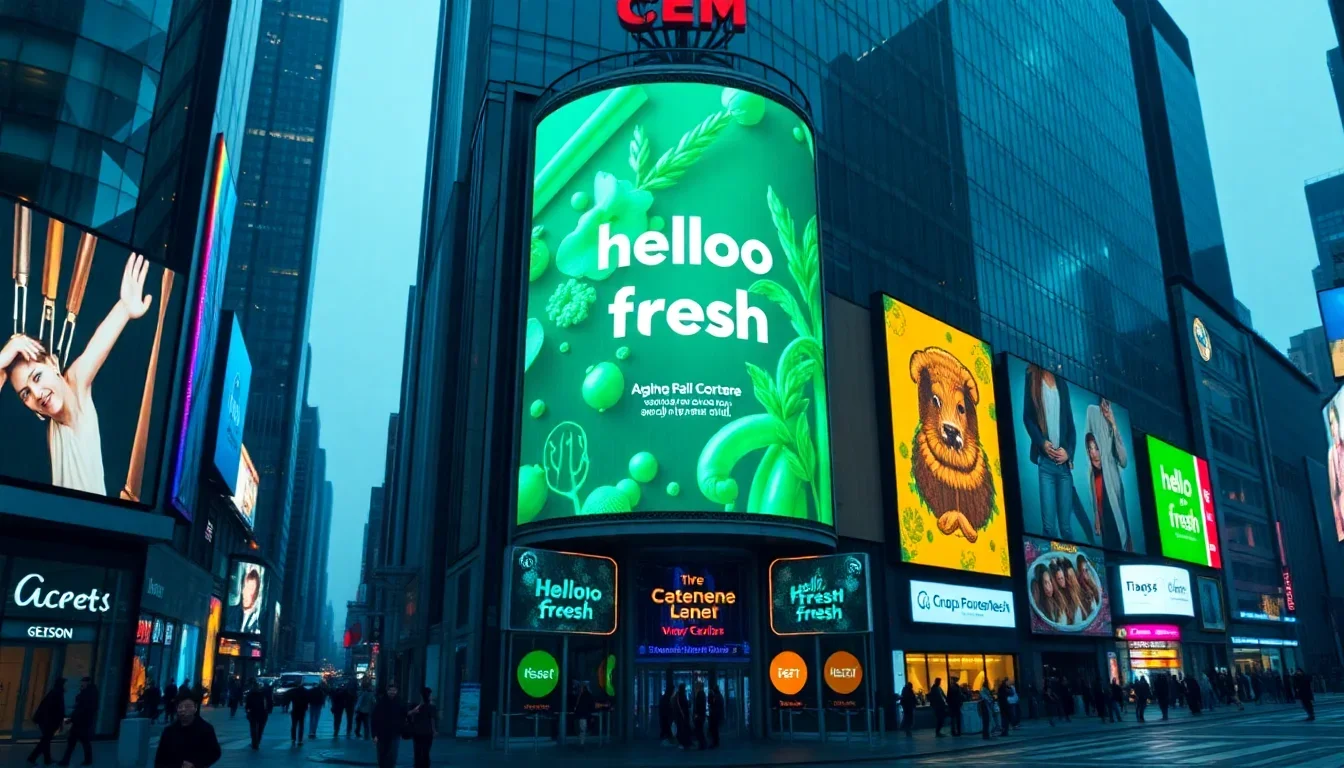
    In June, the CDP platform Hightouch launched a one-day activation on Times Square to showcase ads created by clients using the new Ad Studio tool. Participants included Sweetgreen, Tripadvisor, and HelloFresh. This case demonstrates how AI creative helps brands scale content production and reach global platforms.

    Why Brands Need AI Creative at Scale

    According to Conor Feeney, Head of Marketing at HelloFresh US, brands are now “forced to produce significantly more creative than ever before.” Audience attention spans are shrinking, and fresh ads deliver better results. AI enables faster hypothesis testing and allows focusing on the most effective options.

    How Ad Studio Works

    Ad Studio is part of Hightouch’s marketing suite launched this year. The tool handles the entire process: from asset generation to platform placement. Hightouch does not handle budgeting or media buying.

    Preserving Brand Voice

    One of the main challenges of AI creative is losing a brand’s unique style and violating content rules. Hightouch addresses this by using the brand’s own content: product catalogs, legal and compliance guidelines, and previous ad campaigns. The platform integrates with Figma and ad channels, allowing assets to be uploaded manually or pulled automatically.

    HelloFresh Brought AI Creative to Times Square: How Ad Studio Works

    Fast Iteration Through Natural Language

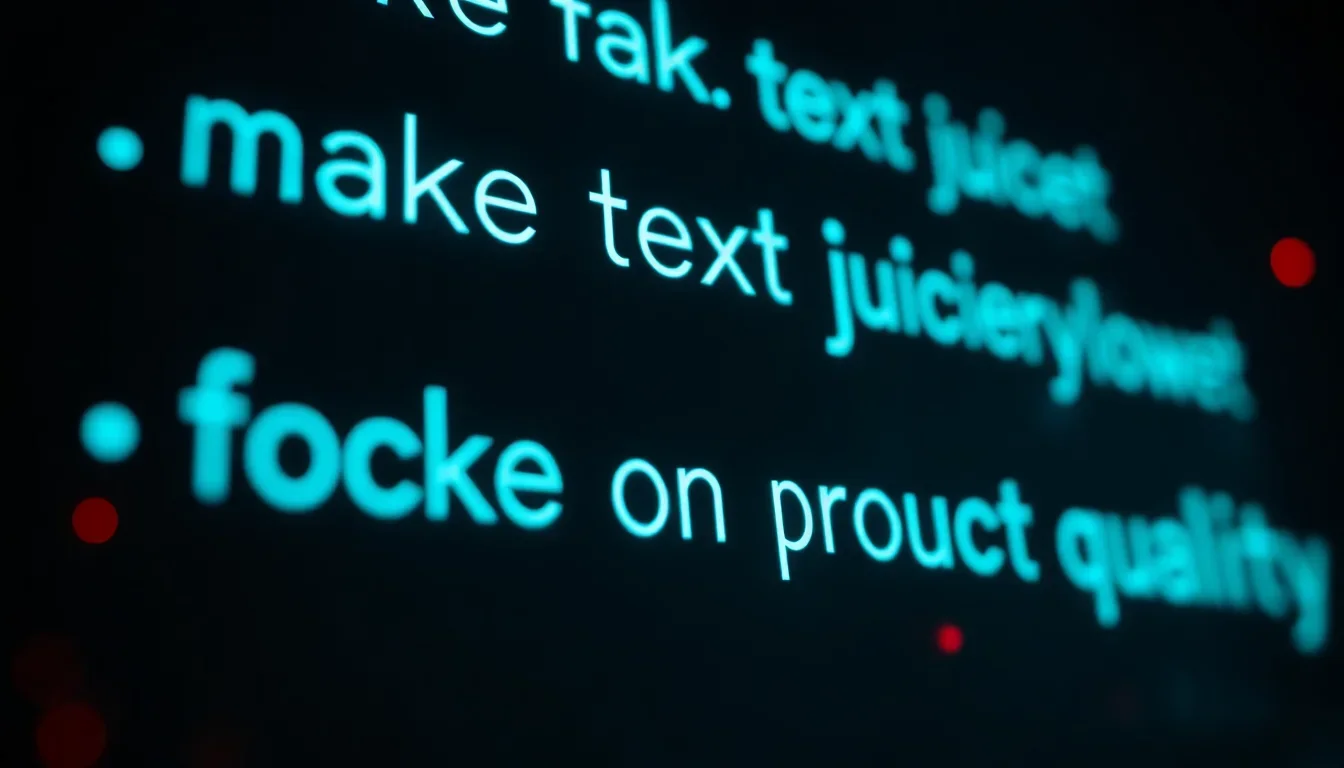
    Ad Studio doesn’t create the perfect ad on the first try, but marketers can give commands in natural language: make the text “juicier” or focus on product quality instead of discounts, explains Hightouch co-CEO Tejas Manohar. For HelloFresh, speed of edits is critical: the company aims for “continuous experimentation” and testing.

    People and Robots: Symbiosis, Not Replacement

    Feeney emphasizes that Ad Studio does not replace creative professionals but allows faster creation of more content based on existing ideas and human refinement. The tool requires no coding skills but needs a “talented, creative person” who can explain to AI what is good or bad for the brand.

    HelloFresh Case on Times Square

    For the activation, HelloFresh used past ad campaigns. The ad highlighted the contrast between an expensive restaurant order and the affordability of home-cooked meals. So far, this is the only video created through Ad Studio, but the company plans to continue using the tool.

    HelloFresh Brought AI Creative to Times Square: How Ad Studio Works

    Frequently Asked Questions

    How much does a minute of AI video cost?

    The cost depends on complexity and volume. For mass generation (up to 500 videos per day), the price can be significantly lower than traditional production, especially with a neuro-production subscription.

    Can AI be used for UGC ads in crypto projects?

    Yes. AI avatars with subtitles, AI voiceovers, and script generation are suitable for crypto and e-commerce campaigns. The key is to adhere to ethical deepfake boundaries and brand guidelines.

    Conclusion

    The HelloFresh example shows that AI creative is not just a trend but a working tool for scaling advertising. If your brand faces the need to produce hundreds of videos per week, consider platforms like Ad Studio. Try generating your first test video today—it could change your approach to content production.