Tag: brand awareness

  • MrBeast and Google: A Multi-Year Partnership to Promote Gemini, Health, and Fitbit

    MrBeast and Google: A Multi-Year Partnership to Promote Gemini, Health, and Fitbit

    The largest YouTube blogger MrBeast, whose real name is Jimmy Donaldson, has signed a multi-year agreement with Google. This partnership aims to promote the company’s key products: the Gemini chatbot, the Google Health platform, and Fitbit wearables. For many businesses facing the challenge of choosing a contractor for integrated promotion, this approach demonstrates a “one-stop shop” model, where all services can be ordered in one place.

    According to an official Google statement, Donaldson, as the first creator to reach 500 million YouTube subscribers, constantly pushes the boundaries of what’s possible. Now he will use Gemini to realize his ambitious ideas, showing the audience how artificial intelligence can help bring the most incredible concepts to life. In addition, the blogger will demonstrate how Google Health supports fitness and wellness goals.

    Partnership Details: How MrBeast Will Promote Google

    The partnership kicks off on September 5 with a video in which MrBeast and his team will attempt to survive in the Earth’s most extreme conditions: the Arctic, jungles, and desert. In this challenge, they will rely on Gemini, which will help them identify dangers, cope with sudden weather changes, and stay one step ahead. This is an excellent example of how to use content outsourcing for social media, entrusting the production of large-scale projects to external specialists.

    Gemini as a Tool for Logistics and Survival

    • Danger Identification: The chatbot will provide information about potential threats in extreme conditions.
    • Weather Forecasting: Gemini will help the team adapt to changing weather conditions.
    • Project Logistics: Donaldson will also be the face of a new Gemini campaign, demonstrating how the app helps him organize and execute his large-scale stunts.

    “Jimmy Donaldson, better known as MrBeast, is always pushing the boundaries of what’s possible. Now he’s using Gemini to realize the boldest concepts, showing his fans how they can use AI to bring incredibly big ideas to life,” Google stated.

    Promoting Fitbit and Google Health

    In an upcoming video on his channel, MrBeast will use a Fitbit Air device, highlighting its functionality in everyday life and during challenging trials. This demonstrates integrated promotion through short videos, where each product is integrated into the natural context of the content.

    Why did Google choose MrBeast?

    The choice of MrBeast as a partner is no accident. He is the most popular content creator on YouTube with over 515 million subscribers and generates 4 to 6 billion views per month on his main channel. His participation in advertising campaigns for brands such as Disney, Lowe’s, and Jack Links, as well as his appearance in a Salesforce Super Bowl commercial, underscores his influence.

    Strategic importance of the partnership for Google

    While Google sometimes collaborates with YouTubers to promote products or events, this level of long-term commitment is unusual. This could be part of YouTube’s strategy to retain leading content creators who might otherwise move to other platforms, such as Netflix, which offer lucrative deals. For businesses, this is a lesson in the importance of long-term relationships with key partners and investing in them.
    MrBeast and Google: multi-year partnership to promote Gemini, Health and Fitbit — illustration 2

    Prospects for cooperation and ROI

    Google promises that this is just the beginning of their collaboration with MrBeast. Such a partnership provides high audience reach and demonstrates the potential of full-cycle short video production for promoting complex technological products. For those wondering what is cheaper – AI or real clipping, or whether uniqueization or new production is worth it, Google’s example shows that investments in high-quality, organically integrated content always pay off.

    Frequently Asked Questions

    How to choose a contractor for video content creation?

    When choosing a contractor for video production, especially for full-cycle short video production, pay attention to their portfolio, experience with similar projects, and their ability to offer comprehensive solutions from idea to posting. It is important that the contractor understands your business goals and can provide a replacement for an SMM team, taking on the entire process.

    What’s better: using AI for content creation or shooting from scratch?

    The choice between AI generation and shooting from scratch depends on your goals and budget. AI can be effective for quickly generating a large volume of content or repurposing, but for unique, high-quality, and emotionally rich stories, like MrBeast’s, shooting from scratch or deep uniqueization remain preferable. It’s important to find a balance between economy and quality so that the content truly captivates the audience.

    How to evaluate the effectiveness of mass posting?

    Evaluating the effectiveness of mass posting involves analyzing metrics such as reach, engagement, click-through rate, and conversions. It is important to track which types of content and platforms yield the best results to optimize the strategy. Content quality, even with mass distribution, plays a key role in achieving high performance.

    Conclusion

    The partnership between Google and MrBeast is a prime example of how large companies leverage the influence of popular personalities to promote their products. For businesses looking for effective solutions to order everything in one place — from video creation to its promotion, this model demonstrates the potential of a comprehensive approach. Remember that investing in quality content and strategic partnerships can significantly increase brand awareness and audience loyalty. If you feel that your current SMM team is not coping with the tasks, consider outsourcing content for social networks to get the maximum return on your marketing efforts.

  • Case study: GitHub — event archive starts introducing the brand to a new audience

    Case study: GitHub — event archive starts introducing the brand to a new audience

    Campaign Metrics

    Metric Value Explanation
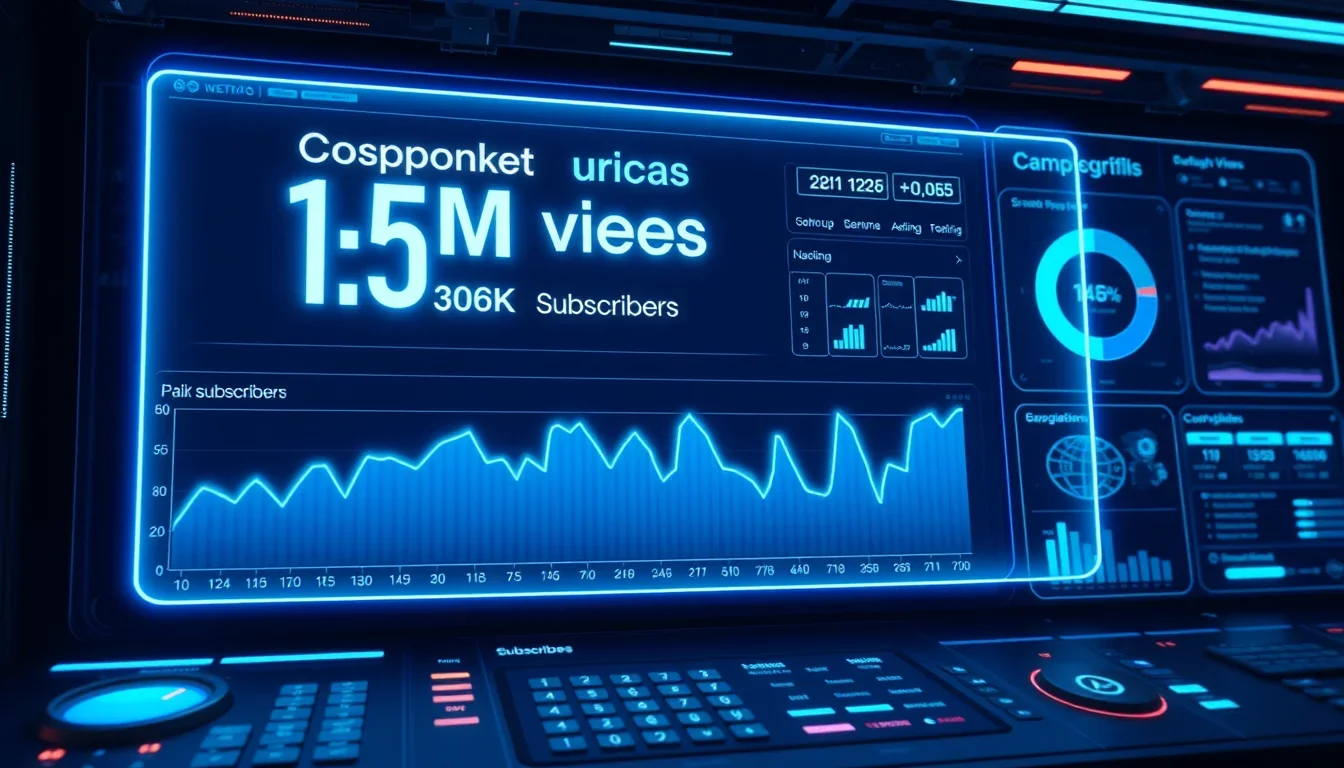
    Views per report 1.5 million during the channel’s development period.
    New subscribers 30,000 growth over the same period.
    Period 3 months working with short videos from the archive.
    Budget Undisclosed team and tool costs are unknown.
    CPM Undisclosed cost per 1,000 views not published.
    CPV Undisclosed cost per view not published.

    Additional example from a separately published analysis; checked 03.09.2026. This is repurposing an event archive into short videos. The figures are for a three-month channel development period and do not prove that all growth is due solely to snippets. The budget is not published, so CPM and CPV are not calculated. Views are not equal to unique reach. Views are not equal to unique reach or sales. Conclusions about marketing mechanics are an editorial analysis; the presence of a campaign around a brand does not necessarily mean its direct placement.

    An event archive can hold powerful ideas that new viewers never discovered. GitHub used recordings of long talks and events as material for short videos to introduce itself to a new audience of developers. The published analysis describes the repurposing of the accumulated archive and the sequential release of materials. This is a story of working with proprietary branded content; a contest for authors or payment for views is not described in it.

    Cutting long videos into short ones gives a single presentation several independent entry points. Video clipping helps select a specific idea or fragment that is interesting without watching the entire event recording. For a technology brand, this is a useful way to bring already created material back into use and present it to people who are not yet familiar with the full archive. The published metrics relate to the period of implementing this approach. They should be read as general dynamics, not attributing every view and subscription exclusively to short videos.

    GitHub — event archive starts introducing the brand to a new audience — illustration 2

    Do you have recordings of conferences, presentations, or meetings with experts? Launch a video clipping campaign on VibeVO to have authors help find stories in your archive for a first introduction to your brand.

  • Case study: Goli × 4FUN — product within a small madness

    Case study: Goli × 4FUN — product within a small madness

    Campaign Figures

    Metric Value Explanation
    Views 22,725,114 accumulated campaign counter.
    Declared Fund $62,500 rewards budget.
    Approved Works 181 individual content counter.
    Authors 41 by published counter.
    CPM by terms $1.25 rate per 1,000 counted views.
    CPV by rate $0.00125 equivalent per 1 counted view.

    Data cut 03.09.2026. CPV = CPM ÷ 1,000. This is the reward rate with admission conditions and limits, not the actual cost of the entire campaign. The fund is not equal to expenses. Views are a total counter, not unique reach; approved works are counted separately. Views are not equal to unique reach or sales. Conclusions about marketing mechanics are an editorial analysis; the presence of a campaign around a brand does not necessarily mean its direct placement.

    The 4FUN team, dressed in Spider-Man costumes, enters Walmart a minute before closing and buys a mountain of Goli gummy supplements. This description alone contains everything for a short story: heroes, a time limit, and a strange goal. The campaign was built on re-distribution and cutting of this footage. Authors only had to find fragments where the absurdity of the situation was most quickly understood.

    Video clipping keeps attention on a small adventure, and highlight editing allows highlighting different funny moments from one shoot. It is especially valuable for the brand that the product here is the goal of the action: the heroes came specifically for it. If the purchase is removed, the story itself changes. This is a useful guide for entertainment integrations. When a product participates in the plot, the author has more opportunities to preserve its meaning when shortening the video, and the viewer finds it easier to associate a memorable episode with a specific brand.

    Goli × 4FUN — product within a small madness — illustration 2

    Have you filmed an unusual story where your product plays the main role? Continue it with a campaign on VibeVO: let authors choose scenes where entertainment and brand remain connected.

  • How banner ads and display ads work in TikTok, Reels, and Shorts

    How banner ads and display ads work in TikTok, Reels, and Shorts

    Banner ads and overlays in TikTok, Reels, and Shorts are a powerful tool for rapid brand awareness growth. In this article, we will break down how these formats work, how to properly set them up, label them, and measure their impact on reach, organic traffic, and search.

    Banner ads and overlays in TikTok, Reels, and Shorts are an advertising layer on top of a short video: an animated banner, logo, short overlay, or character in branded clothing. The overlay “sticks” to the top of the video and is visible in the stream of movie clips, TV series, memes, and educational videos, provided the content is allowed for placement and passes moderation. This format helps quickly gain massive reach.

    Current as of May 25, 2026. Platform rules change, so before launching, you need to check the current requirements of TikTok, Instagram, YouTube, and local advertising legislation. If the publication is paid advertising or commercial placement, platforms require explicit labeling: TikTok uses the commercial content disclosure setting, Instagram uses the paid partnership tag, and YouTube uses the paid promotion tag.

    How the format works

    This is not a long integration by the author or a separate ad video before the clip. The format is simpler: the viewer watches a short video, and an advertising overlay, banner, or character appears on top of it. The ad does not try to replace the video itself. It adds a noticeable trademark sign to the content that the audience is already watching.

    Content for such placement can include movie and TV series clips, memes, educational videos, explanatory videos, fact compilations, reactions, and other short formats. Important: only content that is allowed for placement and does not violate copyright holders’ rights can be used. If the video has no legal basis for publication, the advertising overlay does not make it safe.

    There are two main types of advertising layers.

    First — banner or overlay

    This is a compact animated strip, logo, card, message, or call to action. It appears at the top or bottom, stays for a few seconds, or is visible for most of the video.

    Second — branded character

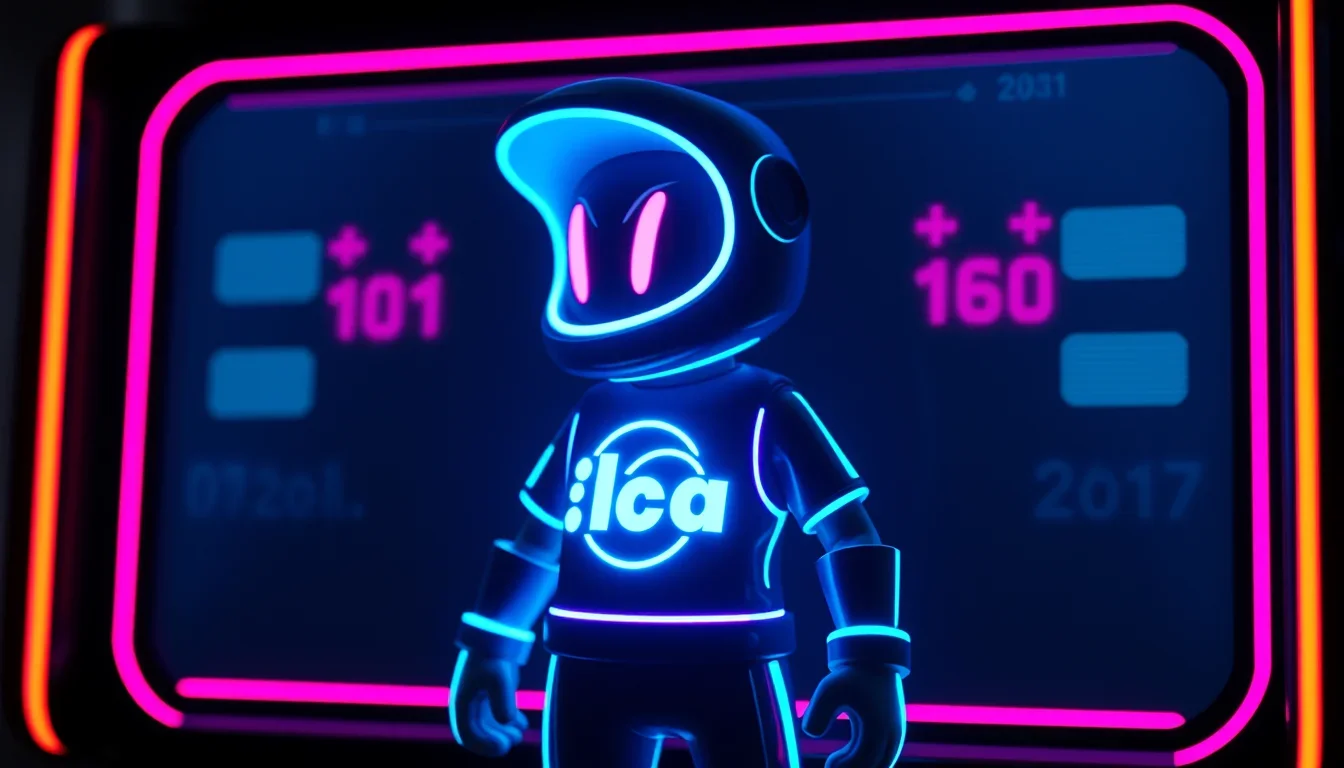
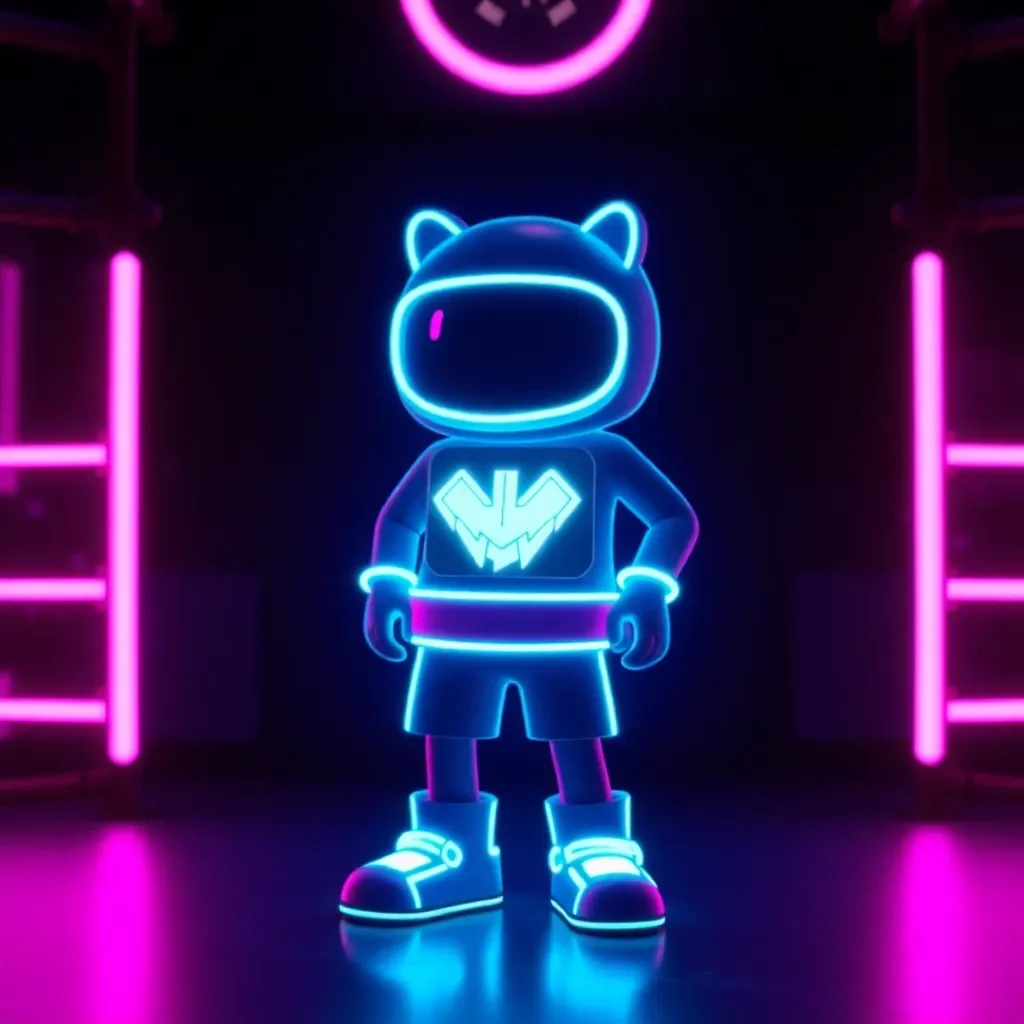
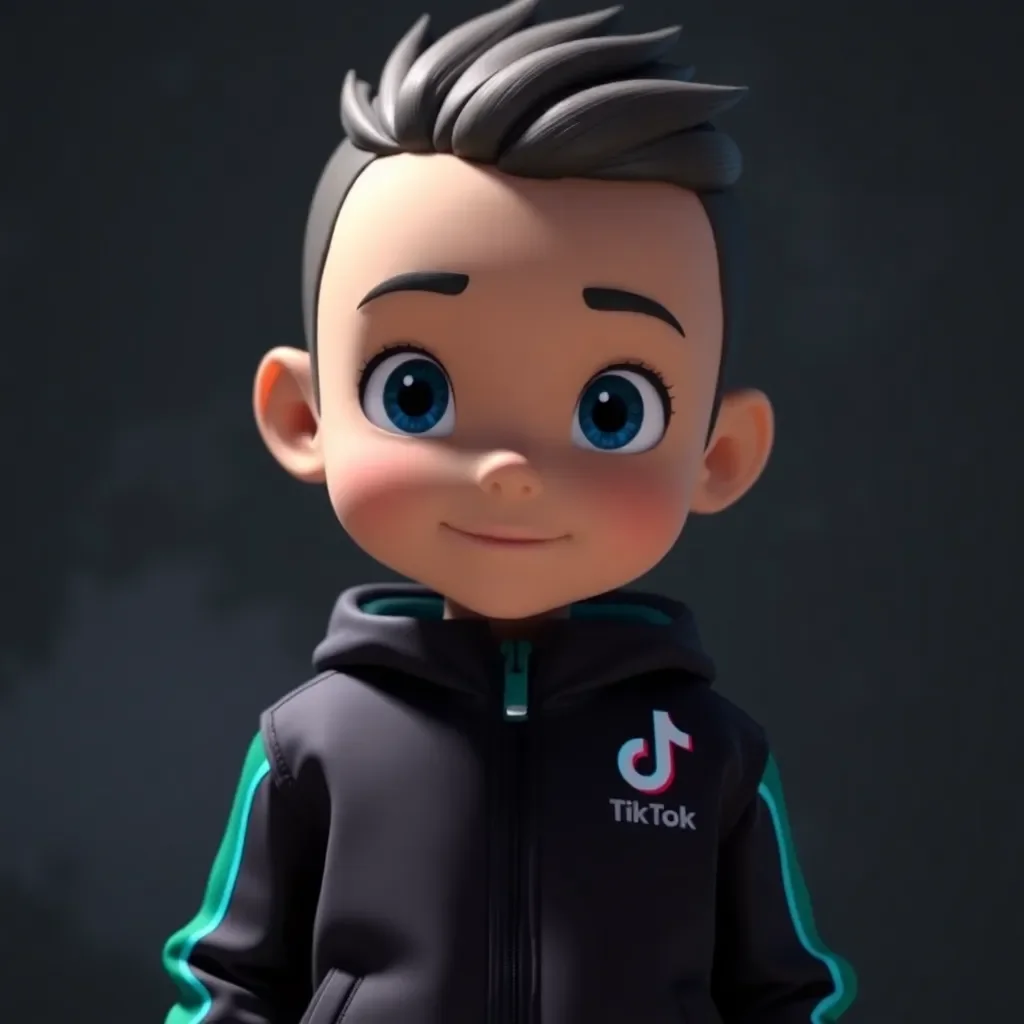
    This is an animated person or mascot in clothing with a logo. For TikTok, it is better to use a waist-up character: this way it does not get lost when cropped, is not covered by the interface, and better conveys the trademark sign.

    The point of the format is to launch ads for large reach. When thousands or millions of viewers see the same trademark sign in their usual stream of short videos, it provides classic brand awareness growth: people start recognizing the name, searching for it more often, visiting directly, and responding to the company in other channels.

    Format by Platform

    Platform What to Use How to Place What to Check
    TikTok Branded character waist-up or short banner Keep face, logo, and clothing closer to the center Is the character cropped, is the logo covered, does the interface interfere
    Instagram Reels Animated banner or short banner Do not place important text at the very top or bottom Are the caption, author name, and buttons covered
    YouTube Shorts Animated banner, banner, or short card Keep the message simple and large Is the logo visible on a mobile screen
    VK Animated banner Use the same base banner as for YouTube and Instagram, but check the preview Is the text too small, is the call to action lost

    For YouTube, Instagram, and VK, you can prepare one common animated banner and adapt it for the preview. For TikTok, it is better to make a separate version with a waist-up character. This is not a designer’s whim, but a practical safeguard against cropping, interface interference, and loss of readability.

    Advertising Labeling

    If the placement is paid, the viewer must understand that it is an advertisement. Simply placing a logo on a banner is not enough. Clear labeling and compliance with platform rules are required.

    TikTok

    If an author promotes a product, service, or trademark, TikTok requires enabling the commercial content disclosure setting. If the publication is made on behalf of another company, it may be displayed as a paid partnership.

    Instagram Reels

    Instagram requires using the paid partnership tag for branded commercial content. Instagram’s rules state that such content must be published with the appropriate labeling tool.

    YouTube Shorts

    YouTube requires informing the platform about paid placement, sponsorship, or product endorsement so that the platform can show a disclosure to the viewer. YouTube also warns that the author may have additional obligations under their country’s laws.

    USA and FTC 16 CFR Part 255

    If the campaign involves the US market, it is important to consider FTC rules on disclosing a material connection between the advertiser and the author. 16 CFR Part 255 states that authors may be held liable for failing to disclose an unexpected material connection with the advertiser.

    How the Author Adds the Banner

    The process should be simple and repeatable.

    1. The author receives the video or publishes approved content for editing.
    2. The advertiser provides the banner, banner, or character.
    3. The author adds the advertising layer on top of the video.
    4. The author checks that the banner does not cover the face, subtitles, important action, or buttons.
    5. If the publication is advertising, the author enables the appropriate tag on the platform.
  • The video is sent for review to the advertiser or the moderation system.
  • After review, the video is published or enters an ad launch.
  • A good format does not require the creator to come up with an integration every time. They receive a ready-made ad layer and clear rules: where to place it, how long to hold it, what not to cover, and how to label it.

    Illustration 1

    What the Advertiser Checks Before Publication

    The advertiser should look not only at the beauty of the banner but at its functionality.

    Visibility of the trademark. The logo must be quickly readable. If it is only visible during a pause, the banner is weak.

    Position on the screen. The banner should not cover the interface, faces, subtitles, important objects, or action in the frame.

    TikTok version. The character should be shown from the waist up, in branded clothing, with a clearly visible trademark sign. Full height is best avoided: it is easier to crop.

    Text. The message should be short. Do not write paragraphs on the banner. For a short video, a name, benefit, and call to action are enough.

    Content rights. If the video is a clip from a movie, series, meme, or educational video, check whether it is allowed to use it. Advertising over controversial content does not protect the campaign from claims.

    Labeling. Check whether the required mark is enabled on the platform if the placement is advertising.

    Link and tags. If there is a link to a website, check the link and tags in the URL to later see the result in analytics.

    Как работает баннерная реклама и плашки в TikTok, Reels и Shorts — illustration 2
    Illustration 2

    How to Measure Results

    Banner advertising in short videos works not only through clicks. Its main effect is mass contact with the trademark.

    Look at several levels of results.

    1. Reach. How many people saw the banner, ad, or character.

    2. Frequency. How many times, on average, one viewer encountered the trademark.

    3. Visibility. Was the logo readable, was it covered, did it disappear too quickly.

    4. Clicks. If the banner has a call to go to the website, track clicks and visits.

    5. Search by name. After mass reach, people often do not click immediately but search for the name later. Therefore, look at the growth of queries for the trademark.

    6. Unpaid visits. If the campaign is noticeable, direct traffic, organic search, and visits to company profiles may grow.

    Illustration 3

    7. Awareness study. For large launches, add a survey or study of awareness growth. TikTok For Business specifically notes that successful materials and correct trademark signals help enhance memorability and brand connection.

    Where the Format Breaks

    The banner is too small. The viewer does not read the text and does not remember the brand.

    The banner covers the video. If the ad interferes with watching the video, it irritates rather than works.

    The character is cropped on TikTok. Use a waist-up version and keep important elements in the center.

    One file is used everywhere. For YouTube, Instagram, and VK, one banner might work, but TikTok requires separate verification.

    No labeling. If the placement is paid, lack of disclosure may lead to platform risks and claims from regulators.

    Controversial content. Clips from movies, series, and memes should only be used if there is a legal basis. Otherwise, the problem will not be with the banner but with the video itself.

    Too weak a connection to the brand. If the banner does not contain a logo, name, or recognizable character, reach may be high, but recall will be low.

    Illustration 4

    Why the Format Works for Mass Reach

    Short videos are watched quickly and in large volumes. The viewer may not be ready for a long ad, but they notice a recurring sign: a logo, color, character, clothing, or short phrase. When such a banner appears in a large number of videos, the brand begins to “stick” to the audience’s attention.

    The effect is especially useful for companies that need to quickly boost awareness. People see the banner in memes, clips, educational videos, and entertainment content. Then they start recognizing the name in search, ads, recommendations, and on the website. Thus, the format supports not only reach but also unpaid traffic, name searches, and overall interest in the brand.

    Frequently Asked Questions

    Do I need to use a paid partnership tag on the platform? Yes, if the placement is paid advertising, product promotion, or a publication with a commercial connection. TikTok requires disclosing commercial content, Instagram requires a paid partnership tag for branded commercial content, and YouTube asks to report paid promotion to show disclosure to the viewer.

    What if the banner covers an important interface? Reduce the banner, move it closer to the center of the safe area, or create a separate version for the platform. Do not place key text near the edges. For TikTok, it is better to use a waist-up character rather than a full-length one.

    Can I run the same banner on all three platforms? You can use one idea and one common design, but the files need to be checked separately. YouTube, Instagram, and VK can use one basic animated banner. For TikTok, it is better to make a separate version with a waist-up character.

    Is the format suitable for movie clips, series clips, and memes? Yes, if the content is allowed for posting and does not violate rights. The format itself works well for clips, memes, educational videos, and entertainment content because the overlay adds an advertising layer on top of video that is already interesting to the viewer.

    Why does this affect search and non-paid traffic? Because mass reach increases brand recognition. Some viewers do not click immediately but remember the name and later search for it, visit directly, or respond to ads in another channel.

    Ready to launch your first campaign? Start by checking the platform’s rules and preparing a high-quality ad overlay. Good luck!

  • How to Buy Cheap Reach in Short Videos

    How to Buy Cheap Reach in Short Videos

    In the world of short videos, where every clip fights for attention, buying cheap reach has become one of the most effective ways to quickly make a brand known. But how do you avoid overpaying and falling for fake engagement? In this practical guide, we will break down how to buy cheap reach through banners in short videos, how much a million impressions costs in the CIS and the USA, and how to check the quality of placement.

    What is cheap reach in short videos

    Cheap reach in short videos is the purchase of ad impressions at the lowest price per thousand or million impressions on TikTok, Instagram Reels, YouTube Shorts, and similar formats while maintaining normal audience quality. The cheapest reach is often provided by banners on short videos: one banner is placed on a large number of videos, rather than being created separately for each creator.

    In 2026, such advertising is especially interesting for companies that need mass audience contact without the costs of full-scale filming, a TV commercial, or a separate integration with a blogger. According to IAB data, digital video advertising spending in the USA grew by 18% in 2024 to $64 billion and was forecast at $72 billion in 2025. The video advertising market continues to grow faster than many other advertising channels.

    For the CIS, the working cost of advertising in banners on short videos can currently start from about $35 per million impressions and go up to $60–70 per million impressions or higher, depending on the brief, country, language, topic, placement requirements, and quality checks. In terms of CPM, this is approximately $0.035–0.07 per thousand impressions. For the USA, the benchmark for banner advertising is higher: roughly $200–500 per million impressions, i.e., about $0.20–0.50 per thousand impressions. This can still be cheaper than TV reach, especially when considering not only the airtime price but also production, agency costs, and losses from non-target audiences.

    Why cost per thousand impressions matters more for awareness than cost per click

    When the goal is awareness, the main question is: how many people saw the message and how much did that contact cost? The click is secondary here. A user may see a banner on a short video, remember the name, later find the company in a search, or simply start recognizing it in other channels. There may be no direct click, but the contact has already occurred.

    Cost per click is better suited for tasks that require action: a lead, purchase, registration, or website visit. For awareness, other metrics are more important:

    Metric What It Shows Why It Matters
    Cost per thousand impressions How much 1000 impressions cost Base cost of reach
    Cost per million impressions How much a large volume costs Convenient for budget planning
    Reach How many people saw the ad Shows scale
    Frequency How many times a person saw the banner Helps avoid overload
    Share of suspicious impressions How many impressions were filtered out Protects against fraud
    Engagement Reactions, clicks, actions after viewing Shows audience vitality

    For a brand awareness campaign, a cheap cost per thousand impressions only makes sense when the impressions are real, videos are not duplicated in the system, and suspicious publications are blocked.

    Where Reach Is Usually Cheaper: Social Media, Bloggers, Video Banners, and Television

    If you compare channels not by prestige but by the cost of mass reach, the picture is usually as follows:

    Channel Price Benchmark Pros Limitations
    Banners on short videos, CIS $35–70+ per million impressions Very cheap mass reach Needs a strong system to protect against duplicates and fraud
    Banners on short videos, USA $200–500 per million impressions Cheaper than many video formats in the USA Higher competition and stricter quality requirements
    Paid social media advertising Usually more expensive with a narrow audience Quick launch, clear dashboards Price increases when narrowing the audience
    Blogger placements Often more expensive per actual view Trust in the author Harder to predict reach cost in advance
    Online video and television Usually more expensive when all costs are accounted for Large screen, familiar format Production and placement cost more

    Banners on short videos often win because one banner can be used on thousands of videos. There is no need to reshoot the video, negotiate with each author separately, or wait for publication. The format works especially well on content for easy consumption: movie and TV clips, collections of educational facts, memes, short educational videos, news compilations, entertainment, and explanatory videos.

    For gaming companies, the price is usually about 30% higher. The reason is not just demand. The gaming niche has more risks for advertisers: age restrictions, differences between genres, sensitivity to context, risk of unfavorable content adjacency, and stricter requirements for placement verification.

    How to Assess a Normal Price for Your Category

    You cannot take one price and consider it suitable for any company. Even within the CIS, the same banner can cost differently for food, apps, games, financial services, or education.

    First, you need to understand five things.

    1. Geography

    The more expensive the market, the higher the price. The CIS is usually cheaper than the USA. Within the CIS, a broad purchase may be cheaper than placement only in large cities.

    2. Language

    A local language often helps lower the price if the advertiser is not competing for the same audience as international companies.

    Illustration 1

    3. Topic

    Games, finance, betting, medicine, cryptocurrency, and investment-related products require greater caution. The price may be higher due to additional checks.

    4. Environment Requirements

    The stricter the list of prohibitions, the fewer available videos and the higher the price.

    5. Quality Check

    If the provider shows not only the number of impressions but also filters out duplicates, suspicious publications, and inflated metrics, the price may be higher, but the final reach will be cleaner.

    In the Russian and Russian-speaking context, it is important to consider that internet advertising remains the main source of growth for advertising budgets. According to a study by ARIR and Data Insight, the share of interactive advertising in company spending was forecast to be 56% in 2025, and on average, companies allocate 20% of their internet budget to testing new formats and technologies.

    How to reduce the price

    You should reduce the price not by asking “give it cheaper,” but by managing the purchasing conditions.

    Geography. If you don’t need only Moscow, Almaty, Tashkent, or Yerevan, you can expand the placement and get a cheaper million impressions.

    Illustration 2

    Language. Russian, Kazakh, Uzbek, Armenian, Georgian, and other local languages can offer different prices and different audience quality.

    Как купить дешёвый охват в коротких видео — illustration 2

    Video Topic. Content for easy consumption usually provides large volume: movie and TV clips, facts, memes, educational videos, explanatory videos. A narrow topic provides less volume and is often more expensive.

    Budget Size. The larger the volume, the easier it is to negotiate a lower price per million impressions.

    Banner Simplicity. The banner should be quickly readable. The easier it is to adapt to videos, the easier it is to scale the placement.

    Schedule Flexibility. Urgent launch is almost always more expensive. If the campaign can run for several days or weeks, the system will select more suitable videos.

    Checking for inflated metrics and placement quality

    Cheap reach is dangerous if there is no verification system. The main risk is buying not an audience, but beautiful numbers in a report.

    At iBV, for example, all publications in the system are automatically scanned. The system looks for suspicious behavioral signs: sharp unnatural growth in views, repeating patterns, suspicious dynamics, duplicate videos, mismatch between engagement and impression count. Publications with such signs are blocked and not used for placement.

    Illustration 3

    What to check before launching:

    Check Why It’s Needed
    Removing duplicate videos To ensure the same video is not sold as different placements
    Filtering suspicious publications To avoid paying for inflated views
    Checking view dynamics To spot unnatural spikes
    List of prohibited topics To avoid unsuitable surroundings
    Placement report To understand where the ad was shown
    Frequency of impressions To prevent one user from seeing the banner too many times

    A warning sign is the absence of a clear system for tracking and removing duplicate videos, as well as combating inflated views based on automated algorithms. If the provider simply promises “the cheapest reach” but does not explain how they find duplicates, block suspicious videos, and check publication behavior, such reach may be useless.

    How to Buy Reach Through Banner Ads on Short Videos

    Step 1. Define Metrics

    Before launching, you need to understand what counts as success. For a brand awareness campaign, the following are usually important:

    • cost per million impressions;
    • total number of impressions;
    • reach;
    • frequency;
    • share of filtered suspicious publications;
    • engagement;
    • impression growth dynamics;
    • list of topics where placement is prohibited.

    The click should not be the main metric. A banner on a video often works as a reminder and introduction to the brand, not as a direct purchase button.

    Step 2. Define the Audience

    You need to describe in advance the country, language, age restrictions, video topics, and prohibited categories. Do not narrow the audience too much if the goal is cheap reach. The more restrictions, the higher the price.

    Example of a normal description:

    Illustration 4

    CIS, Russian language, broad audience 18+, exclude politics, tragedies, aggressive content, controversial news, and unsuitable topics.

    Step 3. Create Banners

    For placement, you need simple banners that can be read in 1–2 seconds. Usually, the following are enough:

    • logo;
    • short phrase;
    • clear image;
    • one call to action;
    • version for vertical video;
    • backup text options.

    Step 4. Get a Media Proposal

    A good media proposal should show more than just the price. It should include:

    What to Request Why It’s Important
    Cost per million impressions Basic budget planning
    Countries and languages Understanding reach
    Video topics Control over surroundings
    Prohibited categories Brand safety
    Minimum budget Entry threshold
    Procedure for checking inflated views Understanding quality
    Report format What you will receive after the campaign

    For initial tests, you can use a minimum budget starting from $500. This threshold allows you to test price, volume, engagement, and report quality without the risk of immediately spending a large budget.

    Step 5. Launch a test campaign

    The first launch is not for a “perfect result”, but for testing a hypothesis. It is better to test several banner options and several video themes.

    For example:

    Option What we are testing
    Banner with
  • How to Launch a Short Video Advertising Campaign in 48 Hours

    How to Launch a Short Video Advertising Campaign in 48 Hours

    Launching a short video ad campaign in 48 hours is not a myth, but a clear action plan. If you already have ready-made creatives, you can go from uploading materials to the first impressions on TikTok, Reels, Shorts, or VK in just two working days. In this article, we will break down a step-by-step algorithm to help you launch an ad campaign in short videos quickly and without unnecessary delays.

    What to Prepare Before Launch

    Before launching, gather not a lengthy presentation, but a working set for moderation and placement. The less uncertainty at the start, the higher the chance of meeting the 48-hour deadline.

    1. Ad Materials

    Prepare one animated banner for YouTube, Instagram, and VK. It should include a logo, a short message, a clear call to action, and a version without small text. For TikTok, prepare a separate version: an animated waist-up character in branded clothing. TikTok often visually “crops” edges and covers part of the screen with its interface, so a full-length character may look worse. Keep the face, logo, and key message closer to the center.

    2. File Requirements

    Check dimensions, duration, file size, text readability, background transparency, logo presence, and the absence of controversial claims. Before uploading, review VibeVO’s ad material requirements.

    3. Display Geography

    Specify countries, regions, or cities. Do not just write “Europe” or “CIS” if you need specific markets. Geography affects placement selection, launch speed, available impression volume, and reach cost.

    4. Budget

    Top up your balance in advance. Do not leave payment for the last step: the campaign may be ready for moderation but will not go live without funds in the balance.

    5. Campaign Request

    Specify the goal, platforms, geography, budget, deadlines, landing page link, and restrictions. If there are prohibited topics, words, images, or content categories, include them immediately.

    6. One Person Responsible for Approval

    A 48-hour launch breaks down when each department makes separate edits. Appoint one person to confirm the final version.

    Hour 0–12: Request, Materials, and Submission for Moderation

    In the first hours, do not re-discuss strategy, but assemble the campaign into a working form. Open your account, create a campaign, select platforms, upload ad materials, and ensure the balance is topped up.

    If materials are already ready, the main path looks like this:

    1. Upload the animated banner for YouTube, Instagram, and VK.
    2. Upload the TikTok version with a waist-up animated character.
    3. Specify the display geography.
    4. Specify the budget and campaign duration.
  • Check the link to the website or product page.
  • Submit the campaign for moderation.
  • Monitor the review status.
  • If all materials are already approved, the launch does not have to take the full 48 hours. According to VibeVO operational data, in a typical case, an advertiser can go from uploading ready-made materials to submitting the campaign for moderation in about two hours. The remaining time should not be spent “holding a pause,” but rather used to review the first impressions and adjust the budget.

    If there are no materials, do not call it a 48-hour launch. This is a launch with creative preparation. In this case, a banner, character, animation, text, and platform-specific versions are first created and approved. A realistic timeline for such preparation is 2–3 days.

    Hours 12–24: selecting placements and reviewing materials

    At this stage, the system or team selects available placement spots based on your geography, budget, and platforms. For a fast campaign, there is no need to manually negotiate with each creator. It is more important to use a ready stream of short videos, where an ad banner or overlay is added on top of the content and goes through moderation.

    Illustration 1

    Check four things.

    First — readability. The logo and text must be visible within one second. If the viewer has to squint, the overlay does not work.

    Second — safe area. Do not place important text at the very top, bottom, or corner. On short videos, there may be buttons, captions, the author’s name, music, or the platform interface there.

    Third — separate versions. Do not use the same file for all platforms without checking. For YouTube, Instagram, and VK, you can use one base animated banner, but it must be checked in preview. For TikTok, a separate version with a waist-up character is needed.

    Fourth — moderation. Remove controversial promises, medical claims, text that is too small, third-party logos, materials without rights, and any elements that could cause rejection.

    Hours 24–48: launch, impressions, and monitoring

    Once the campaign has passed moderation, it goes live for impressions. At this stage, it is important not just to confirm that the ad “has launched,” but to check how it is gaining reach.

    Как запустить рекламную кампанию в коротких видео за 48 часов — illustration 2
    Illustration 2

    Look at the initial metrics:

  • whether transitions, direct visits, and search queries by name appear.
  • If impressions are slow, check geography and restrictions. If the banner is hard to read, replace the file rather than stopping the entire campaign. If the TikTok version looks cropped, return to a waist-up character and a strengthened composition center.

    What Pushes Launch Beyond 48 Hours

    No ready materials. This is the main reason for delay. If there is no animated banner and TikTok character, you first need to prepare creatives. This usually takes 2–3 days including revisions and approvals.

    Balance not topped up. The campaign may be set up, but it won’t go into full launch without a budget.

    Too many approvers. If every department can stop the launch, 48 hours turn into a week.

    One file for all platforms. What looks fine in YouTube Shorts may be cropped or overlapped in TikTok. Create a separate TikTok version.

    Illustration 3

    Too much text. Short videos cannot handle long legal disclaimers on a banner. Keep the main points and put details on the landing page.

    Controversial claims. Words like “best,” “guaranteed,” “cures,” “risk-free,” “number one” can delay moderation. If the claim cannot be substantiated, remove it.

    Materials without rights. Do not use others’ clips, music, faces, logos, or images without permission.

    Metrics to Monitor from the First Hour

    Stage Metric Why to Monitor
    Before launch Material readiness Indicates whether launch can happen in 2 hours or requires 2–3 days of preparation
    Before launch Balance Without budget, the campaign won’t go live
    Moderation Review status Helps quickly identify what is delaying the start
    First hours First impressions Confirms the campaign has actually started working
    First hours Budget spend Shows whether the campaign is gaining the required pace
    First hours Cost per thousand impressions Helps assess reach affordability
    After launch Reach Main metric for awareness campaigns
    After launch Contact frequency Shows how many times a viewer sees the banner
    After launch Logo visibility Checks whether the trademark is recognized
    After launch Search by name Helps see growth in interest in the trademark
    After launch Unpaid visits Shows secondary effect of awareness

    For an awareness campaign, clicks are not the only thing that matters. Your goal is for people to see the trademark many times in the familiar environment of short videos, remember it, and start searching for the name, visiting the site, or recognizing the product in other channels.

    Frequently Asked Questions

    What is the minimum time from application to launch? If advertising materials are ready, the balance is topped up, the geography is selected, and there are no additional revisions, the minimum working time in VibeVO is about two hours before sending the campaign for moderation and starting impressions after review. This is VibeVO’s operational data, not a universal guarantee for any campaign.

    What most often delays launch beyond 48 hours? The main reasons: no ready animated banner, no TikTok character, balance not topped up, text not approved, too many people responsible for revisions, incorrect file size, controversial claims, or materials without rights.

    Illustration 4

    Do I need ready-made advertising materials to start? You can start an application without them, but you cannot quickly launch a campaign. To launch within 48 hours, and especially within two hours, ready and approved materials are needed. If they are not ready, preparation usually takes 2–3 days.

    What materials are needed at a minimum? Minimum: one animated banner for YouTube, Instagram, and VK, as well as a separate TikTok version — an animated character from the waist up in branded clothing. Also needed: a logo, short text, a call to action, and a link.

    Why does TikTok require a separate version? Because the interface and screen cropping can cover important elements. A character from the waist up stays better centered in the frame, preserving the face, clothing with the logo, and the main advertising signal.

    Can I launch a campaign for millions of reach? Yes, if the budget is sufficient, placements are available, and the materials pass moderation. The format of banners and overlays in short videos works well for mass reach: the viewer sees the brand in their usual stream of videos, which supports growth in awareness, unpaid visits, and search queries for the name.

    Conclusion

    Launching an advertising campaign in short videos within 48 hours is a realistic task if you prepare materials in advance, top up your balance, and appoint one person responsible. Follow this plan, and you can quickly reach the audience on TikTok, Reels, Shorts, and VK. Ready to start? Gather your creatives, check the requirements, and send your campaign for moderation today!